


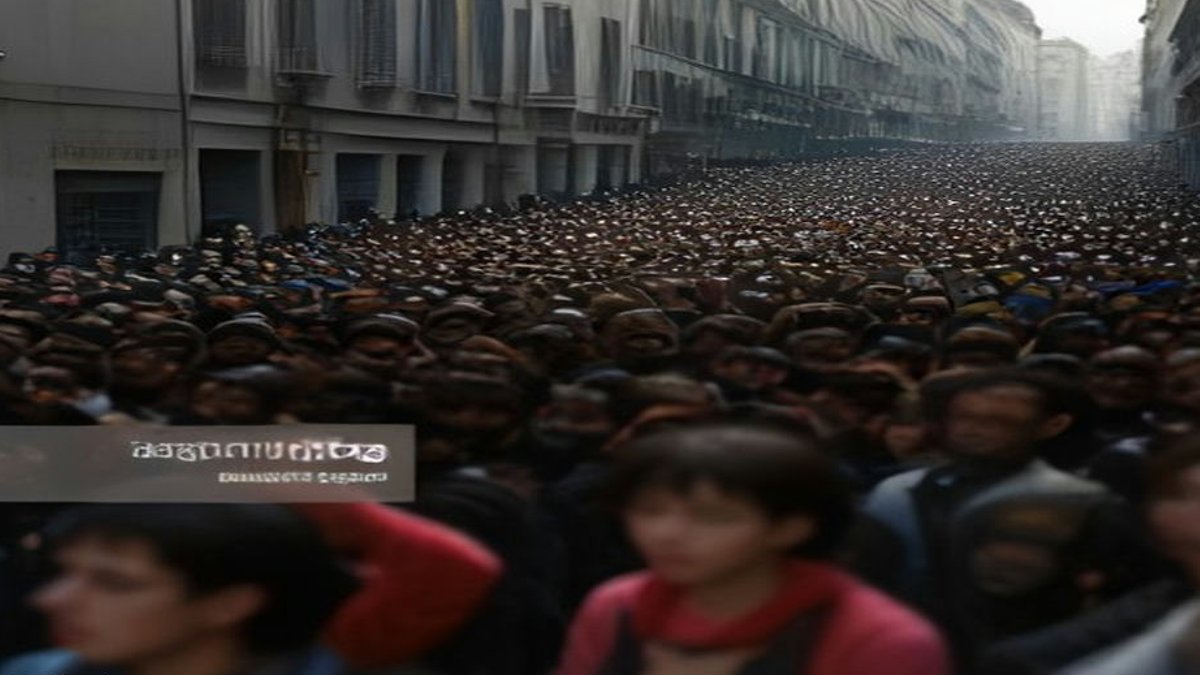
Students across Italy are set to rally on Friday, demanding increased school funding and housing support, as security forces prepare for potential clashes. The protests follow weeks of demonstrations where students have set up tent camps and occupied schools, echoing similar movements in France. Their actions coincide with strikes by truck drivers and farmers over rising fuel prices and the cost of living, as well as increased defense spending.
Student Protests and Demands
“On Friday, we expect a massive mobilisation of students, who will block and empty schools,” said Laura Teresi, 18, from Rome’s Cavour high school, a spokesperson for the OSA student movement. “We will take to the streets to denounce the rearmament policies of Prime Minister Giorgia Meloni’s government and the rising cost of living, which is weighing ever more heavily on families, workers and students,” she added. The students also protest against “endless budget cuts to teaching,” Teresi said.
Officials fear a repeat of the October 17-18 violence in Milan, where youths set cars ablaze and looted shops. On Friday, the radical left USB union has called for a general strike. A broader crisis across Italy and Europe, marked by social and economic malaise, has fueled youth discontent.
Read Also: Deadly Spain high-speed train crash kills 68
Government Response and Context
In response to the protests, Meloni’s government has eased detention rules for minors and tightened public assembly laws. Last week, it approved a €175.2 million aid package for truck drivers, farmers, and fishermen affected by fuel prices linked to Middle East conflicts. Draft 2027 budget measures include an annual €2,500 bonus for workers under 30.
Psychologist Matteo Lancini attributed part of the unrest to schools being “totally disconnected” from young people’s needs. He argued for radical educational reform, rejecting the notion that social media is to blame. The protests highlight a systemic gap between institutions and youth aspirations, suggesting that without meaningful dialogue, such movements may persist as symbolic expressions of broader societal tensions.


