


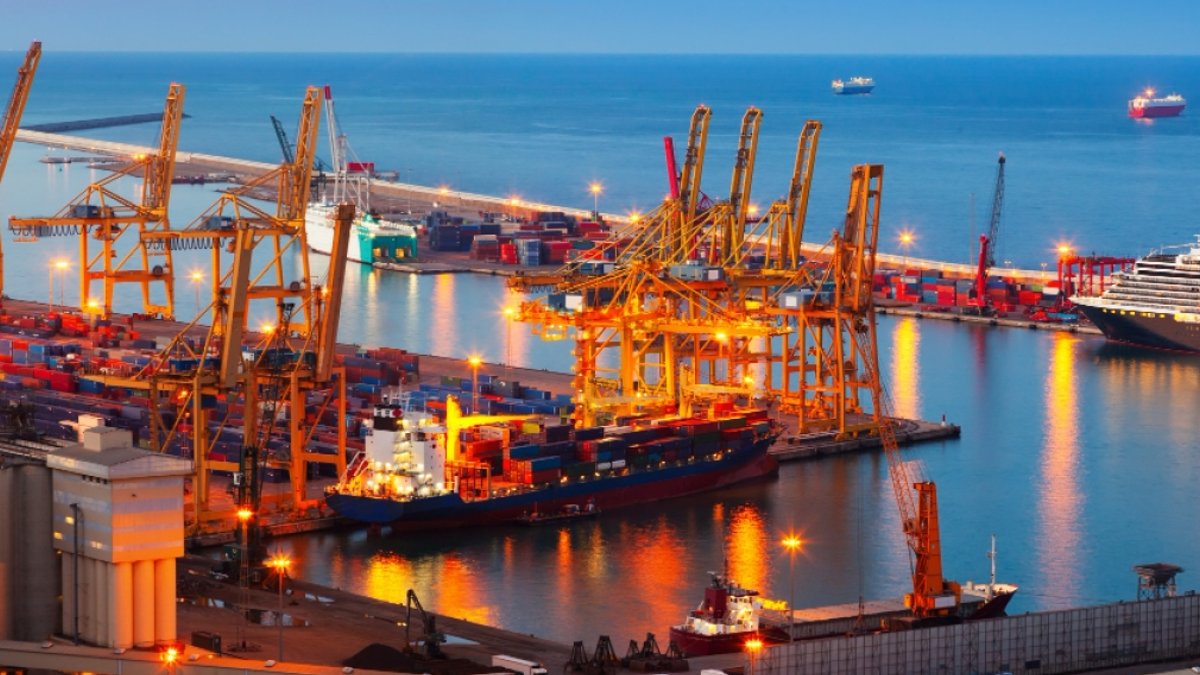
Cargo insurance in Asia is a significant market, with the region accounting for 36.4% of global cargo insurance premiums in 2025, according to the International Union of Marine Insurance. A port delay can change exposure across an entire portfolio, and policy terms and premium calculations may not reflect the increased risk. Port accumulation, where multiple insured consignments remain at the same terminal, can increase the value potentially affected by a single event.
For instance, in Singapore, irregular container vessel arrivals and increased volumes discharged in May 2024 led to more containers being left at the terminal. Shipping lines forgone subsequent voyages to recover their schedules, resulting in a buildup of containers. The Maritime and Port Authority of Singapore reported average waiting times of around two to three days, which later fell below one day in July 2024 after capacity expansion and operational adjustments.
Understanding Port Accumulation Risks
The way terminals handle capacity and adjust schedules can shift risk levels alongside changes in ship arrivals. Insurers need to follow that movement rather than treating a past congestion episode as a permanent feature of a port. For example, if multiple clients’ shipments normally pass through a terminal on separate days but a delay forces them to arrive at the same time, a single incident-like a fire-could impact several policies simultaneously, raising the insurer’s total exposure without altering the value of any single shipment.
Measuring port activity alone doesn’t reveal the full picture of accumulated risk. Insurers need the values and locations of insured goods, together with information on how long they remain at the terminal. Delays also introduce coverage complexities, as the standard Institute Cargo Clauses (A) 2009 typically exclude losses tied to delays-unless specific exceptions apply. A policy can therefore remain in force whilst a particular loss caused by delay remains excluded. This distinction matters to cargo owners facing storage charges or missed delivery commitments.
Cargo insurance doesn’t cover all delay-related costs automatically. Any changes to a shipment’s route or handling require reviewing storage rules, transit termination clauses, and notification requirements. The exact policy terms and any agreed-upon extensions determine what’s actually covered. When assessing claims, insurers must separate when damage was spotted from what caused it, using records like handover logs, condition reports, and storage details to piece together the timeline.
Assessing Exposure and Pricing
Underwriters need an estimate of the maximum insured value that could be present at a terminal simultaneously. Relying only on yearly turnover or average transit times might miss short periods where risk spikes. Comparing usual schedules with realistic delay scenarios helps spot overlapping shipments. The analysis should also factor in storage conditions and whether a single event could harm multiple consignments. Across a portfolio, this means cross-checking client locations-even if different names refer to the same terminal.
These insights should guide how insurers set limits and price policies. A favorable claims history remains useful, but may not represent the current risk if routes, cargo values, or terminal concentrations have changed. Underwriting assumptions need to reflect those changes even when there have been no recent large claims. Timely information is equally important for brokers and cargo owners. Additional transhipment, movement to another warehouse, or a changed destination should be communicated as required by the contract. Clear notification responsibilities allow discussions about coverage adjustments before a disputed loss arises and help clients understand which commercial costs they must retain.
Notification Responsibilities and Coverage Adjustments
Asia’s cargo insurance market needs a closer connection between shipment information and underwriting decisions. Premium growth becomes meaningful when assessed against the obligations insurers accept. At ports, that means knowing which insured goods share a location, how long they stay, and how cover responds when transit changes. Those details provide the basis for defensible pricing and limits when scheduled movements no longer describe the actual exposure.


