


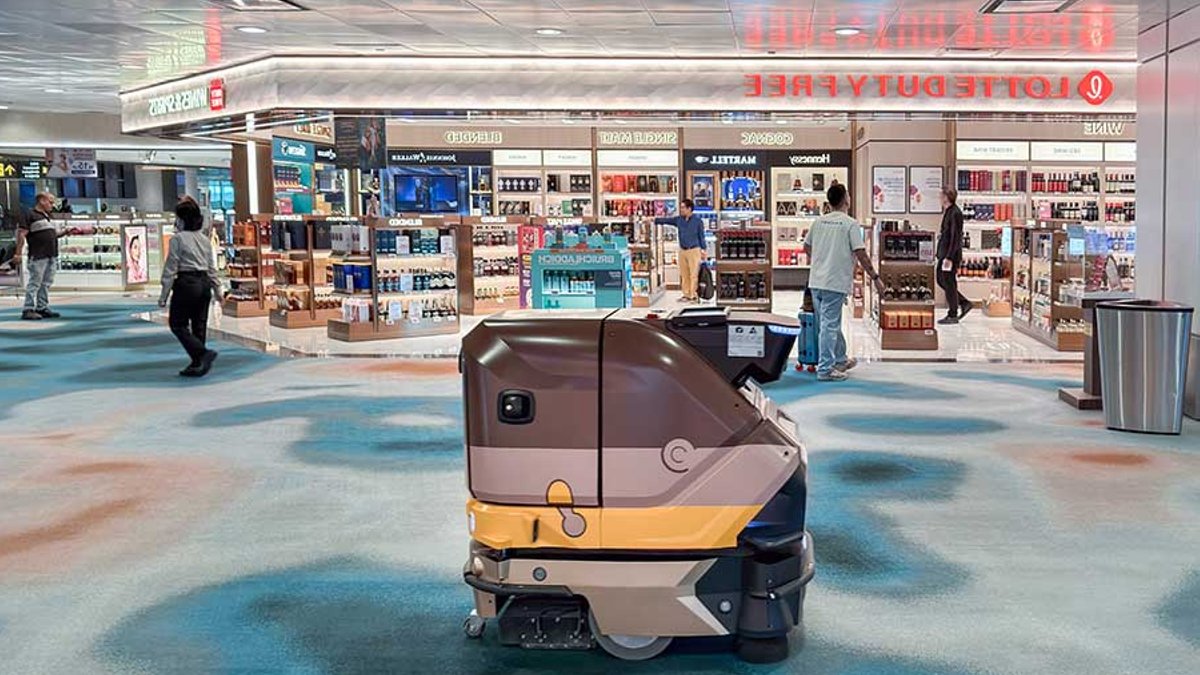
In a futuristic enclave of Singapore, AI-powered cameras and sensors detect spilled coffee and dispatch a cleaning robot to handle the mess. This is just one example of the real-world trials taking place in Punggol Digital District (PDD), a 50-hectare mini-city where technology is being tested for everyday life.
The district, developed by the government, currently houses eight businesses, office blocks, a mall, university campus, and metro station. It serves as a “live test-bed” for companies to experiment with robotics, cybersecurity, and financial services in an urban environment.
A centralized digital platform
A centralized digital platform manages PDD’s infrastructure, from waste disposal to elevators. The platform gathers data from thousands of cameras and sensors, monitoring air temperature and foot traffic. Artificial intelligence analyzes this data, enabling the system to respond to problems, anticipate disruptions, and optimize energy use and waste reduction.
For instance, elevator movements can be minimized during low-demand periods, and restaurants can prepare for busy hours by adjusting staffing and food preparation. The district’s air-conditioning system can also be fine-tuned in real-time to conserve power.
Robots address manpower challenges
PDD is home to numerous robots designed to tackle Singapore’s ageing population and manpower shortage. These machines handle physically demanding tasks, such as cleaning and security, freeing humans for jobs requiring judgment, care, and skill. A food delivery robot is also being tested, bringing meals to offices.
The district’s design allows robots to roam freely, and companies utilize PDD to test their robots and other technologies before wider deployment. Safety rules are being established to prevent accidents, ensuring a responsible approach to automation.
Read Also: Panama in talks to reopen copper mine
Global interest and local acceptance
Companies like LionsBot and Panasonic are leading trials in PDD. LionsBot develops cleaning machine fleets, envisioning a future where cleaners no longer wield mops. Panasonic tests a shared communication system for robots from various manufacturers, leveraging PDD’s digital infrastructure.
The district’s residents, like hospital worker Amanda Lim, are comfortable with the robots. Amanda Lim’s children enjoy chasing and playing with them. Even retiree Veronica Tan remains unfazed by the increasing automation, stating that humans ultimately control technology’s advancement.
PDD’s unique setup enables seamless collaboration between academia and industry. The Singapore Institute of Technology, located within the district, allows academics to work closely with companies. This integration extends to the surrounding neighborhood, where autonomous shuttles with human safety operators transport passengers on public roads.
As a result, PDD has become a hub for innovation, with companies and academics working together to develop and test new technologies. The district’s residents have also become an integral part of this process, providing feedback and insights that help shape the development of these technologies.
The Singapore Institute of Technology plays a key role in this collaboration, providing a platform for academics and companies to work together. The institute’s researchers and students are involved in various projects, from developing new robotics systems to testing and evaluating the effectiveness of these systems in real-world settings.


