


Hong Kong’s tourism strategy now prioritizes high-value international travelers as it works to expand its visitor mix. The Hong Kong Tourism Board (HKTB) has redirected 75% of its marketing budget to overseas destinations, while only 25% remains for mainland China outside Guangdong. This adjustment comes after a year of uneven but overall robust growth in visitor numbers and retail activity.
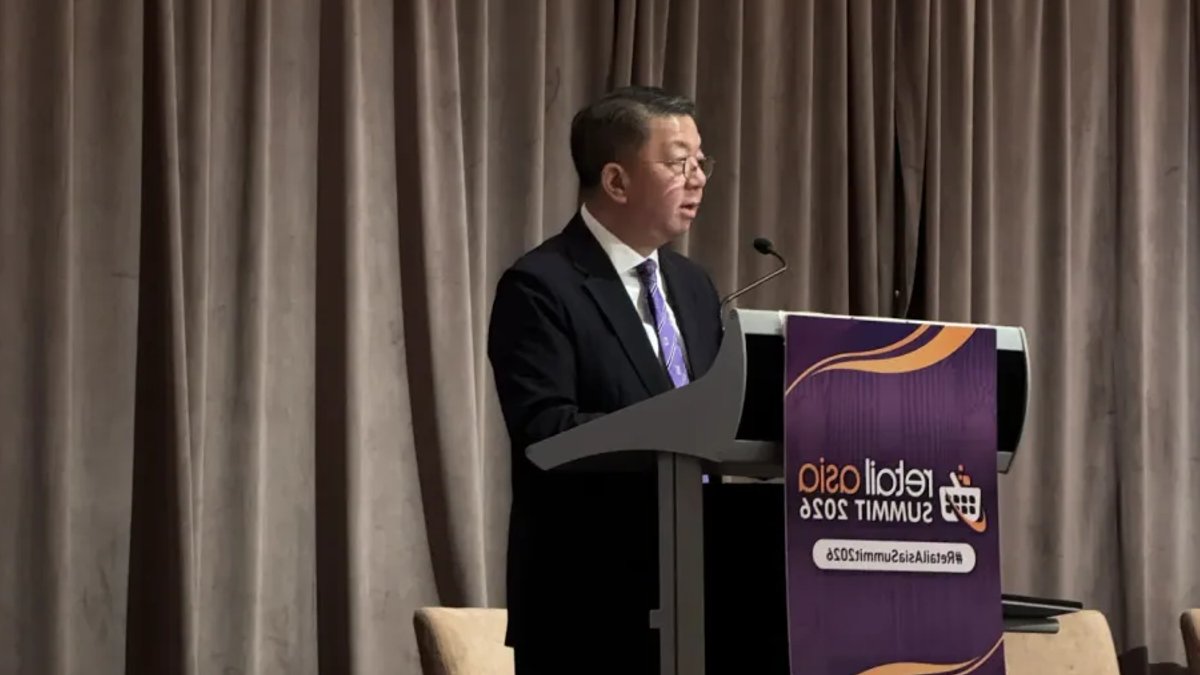
September retail sales hit $4.26 billion, continuing a streak of 17 straight months of year-over-year increases, according to figures shared at the Retail Asia Summit 2026. Anthony Lau, HKTB’s executive director, stated the focus has shifted from sheer visitor volume to attracting higher-spending tourists, especially those booking overnight stays. Through September, Hong Kong hosted 40.7 million visitors, a 12% increase over 2025, with mainland arrivals rising 14% to 31.9 million and international visitors up 4% to 8.8 million. The board expects total annual arrivals to surpass 53 million.
The “ticket stub economy” initiative aims to distribute spending beyond retail by rewarding visitors with discounts for event stubs, such as those from the recent Wine & Dine Festival. This festival, followed by Hong Kong Gourmet Month in November, features over 400 restaurants offering exclusive menus. Lau highlighted that partnerships between retailers and local creators, emphasizing the “Only in Hong Kong” experience, are essential for maintaining demand.
HKTB has pinpointed high-growth markets in Southeast Asia, India, Central Asia, the Middle East, and Russia, alongside European destinations like the Netherlands, Italy, and Spain. The board is also targeting specialized segments, meetings, incentives, conferences, yacht tourism, and medical tourism, to increase per-visitor expenditure. Lau’s strategy suggests a deliberate effort to reduce dependence on mainland visitors while capitalizing on Hong Kong’s global standing.


