


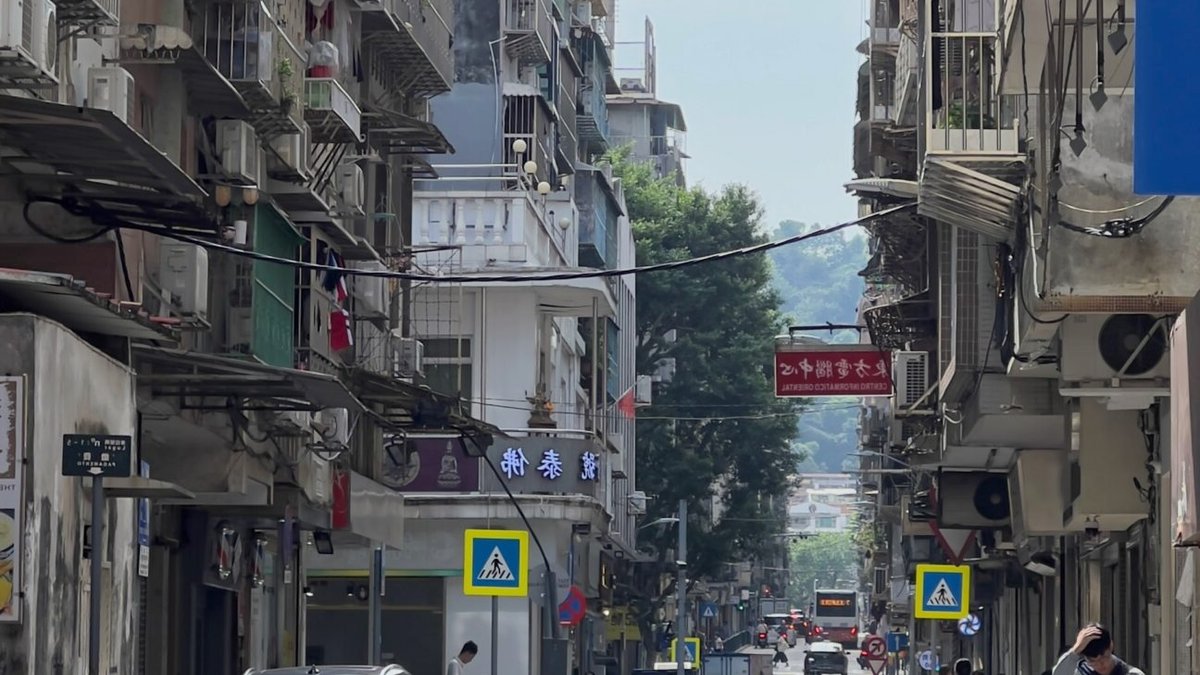
Macau’s efforts to expand tourism beyond its main attractions face obstacles due to inadequate promotion and transportation, according to a recent survey. The study, conducted by the People’s Vision Association and supported by a cultural industries team at City University of Macau, sheds light on difficulties in attracting visitors. It drew on 713 valid questionnaires covering residents and visitors, alongside street interviews and field visits.
Survey identifies obstacles to neighborhood tourism
Insufficient publicity was cited by 63.6% of respondents as a major barrier, while 62.7% mentioned inconvenient transport. The survey also highlighted specific interests, with local culture and ways of life attracting 65.3% of respondents, and shopping drawing 64%.
90.9% of participants expressed interest in food-related activities, 83.9% in history and culture, and 67.6% in leisure and relaxation.
Transport and coordination gaps
The findings show the challenge facing the government as it seeks to spread tourism spending more widely and revitalise older neighbourhoods. The report singled out the Tourism and “Leisure” Buses, a shuttle service launched by the government in partnership with Macau’s six gaming operators, for infrequent services and poor integration with pedestrian routes. It also identified the absence of a permanent platform for coordination among local merchants, making it harder to turn visitor activity into sustained spending.
The association recommended more frequent shuttles, clearer signage and better connections between arrival points, public transport and walking routes. Targeted promotion at border checkpoints and digital visitor guides could also help direct tourists towards neighbourhood businesses.
Initiatives to enhance neighborhood tourism
The association suggested themed walking routes, festivals, educational activities and evening attractions to encourage visitors to explore longstanding family businesses and independent shops. Heritage workshops, local guide training and regular opportunities for residents and merchants to participate would help sustain neighbourhood tourism. The researchers also advocated distinct offerings for different areas: Southeast Asian cultural experiences around Rotunda de Carlos da Maia, waterfront recreation at Lam Mau Tong, esports entertainment in NAPE and food-focused attractions in the northern district of Macau peninsula.
Secretary for Economy and Finance Ng Wai Han said that Macau would improve facilities and infrastructure across six key historic districts, warning that events alone might not deliver lasting results. The government aims to gradually build a distinctive, recognisable identity for each area. The district revitalisation work is being coordinated through the District Development Centre, run by the General Union of Neighbourhood Associations of Macau, under government supervision and with resources provided by the gaming operators. The six districts include Lai Chi Vun shipyards, Rua da Felicidade, the A-Ma area, Inner Harbour Piers 23 and 25, Avenida de Almeida Ribeiro, Rua de Cinco de Outubro and the former Iec Long Firecracker Factory.


