


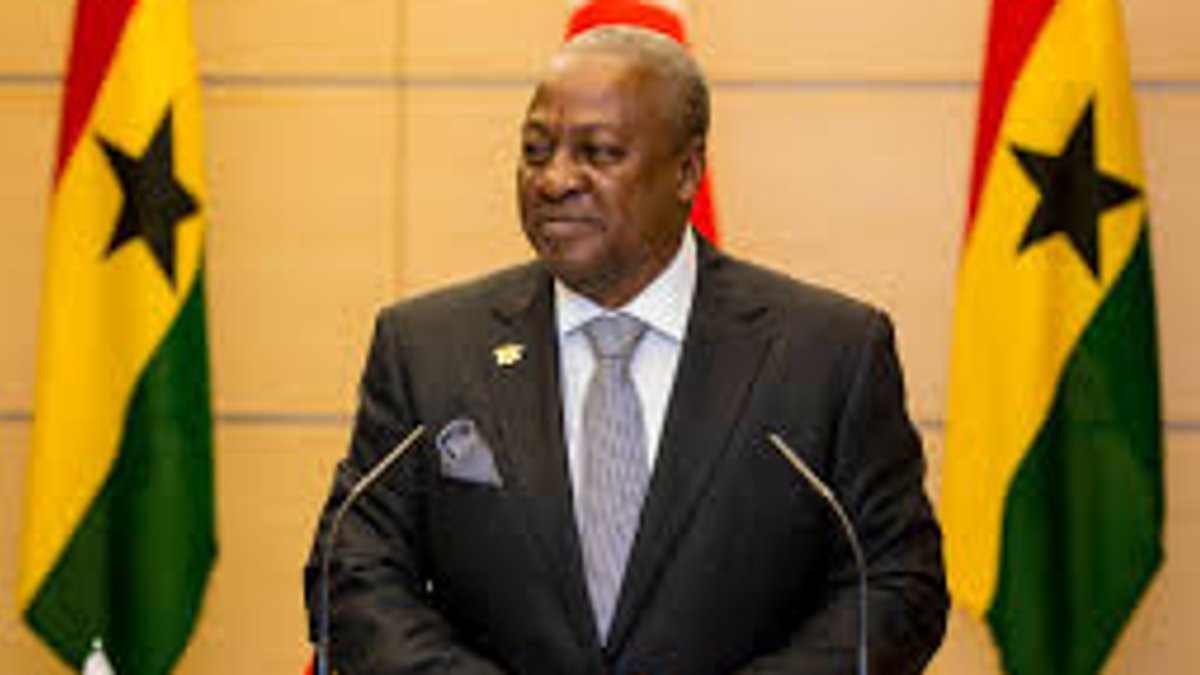
President John Dramani Mahama said he will not run in Ghana’s 2028 presidential election, reinforcing the country’s constitutional two‑term limit during a three‑day state visit to Singapore.
Mahama’s pledge ties fiscal discipline to constitutional limits
Speaking with Singapore’s President Tharman Shanmugaratnam, Mahma warned that incumbent leaders often relax spending rules to win votes, a habit that has repeatedly pushed Ghana into economic trouble. “I will not be a candidate in the next elections and therefore I can hold the line when it comes to fiscal discipline,” he told the bilateral audience.
The declaration arrives as speculation grew that the former president might seek a third term, despite the constitution barring more than two terms. National Democratic Congress chairman Johnson Asiedu Nketiah dismissed the rumors, noting the party “has never run in ways that conflict with the national constitution.”
Mahma’s visit also produced concrete economic outcomes. Ghana and Singapore renewed a carbon‑credits cooperation pact signed in May 2024 and discussed expanding cross‑border payment systems, fintech development, and leveraging Singapore’s expertise to help Ghana serve as a gateway for the African Continental Free Trade Area (AfCFTA).
Economic context and past fiscal challenges
Ghana’s inflation rate has fallen to roughly 13%, and officials aim for single‑digit inflation by year‑end. The President of Singapore praised Ghana’s reform agenda, saying “Ghana must succeed for West Africa and Africa to succeed.”
Related: Nigeria’s insurance recapitalisation adopts unique approach
Historical data shows that every election cycle since 1993 has seen a spike in the deficit‑to‑GDP ratio, as governments increase spending to court voters. Those spikes have often led to broader economic crises, undermining development goals.
During Mahma’s own term from 2012 to 2016, the government raised civil‑service wages ahead of the 2012 election, a move that swollen the budget deficit and prompted an International Monetary Fund rescue package. His current administration has cut the number of ministries from 124 to 60 and slashed the Independence Day celebration budget by 90%.
Afrobarometer surveys across 34 African nations indicate that about 75% of respondents favor two‑term presidential limits, suggesting Mahma’s stance aligns with a broader continental preference for term‑limit enforcement.
In the middle of these discussions, the Ghana‑Singapore partnership reflects a growing pattern where African states seek technology transfer and investment from Asia to modernize their economies. The collaboration on sustainable development, agribusiness, digital solutions, and green energy mirrors similar deals Ghana has pursued with other partners, showing a strategic shift toward diversified foreign assistance.
Investors are watching closely.
Related: GTBank branches open today across the country
While the pledge is symbolic, it may have practical effects. By removing personal electoral ambitions, Mahma can more credibly champion austerity measures that have faced resistance in past election years. The move also sends a signal to investors that Ghana intends to maintain stable fiscal policies, potentially easing access to foreign capital.
Implications for Ghana’s democratic trajectory
Mahma’s decision reinforces Ghana’s reputation as a stable democracy in West Africa. The country has consistently respected its constitutional provisions, unlike some regional peers where term‑limit violations have sparked unrest. Maintaining the two‑term rule helps preserve the predictability of political transitions, which is essential for long‑term economic planning.
Critics may argue that the pledge does not guarantee future leaders will follow suit, but the public affirmation from a former president adds weight to the norm. It also highlights the importance of separating personal political goals from national fiscal health, a lesson that could influence upcoming candidates.
Overall, the announcement and the Singapore talks together illustrate Ghana’s attempt to break a pattern of election‑year overspending while deepening ties with a technologically advanced partner. Whether the fiscal discipline promised by Mahma will endure remains to be seen, but the immediate effect is a clearer signal to both citizens and the international community that Ghana is committed to constitutional governance and responsible budgeting.


