


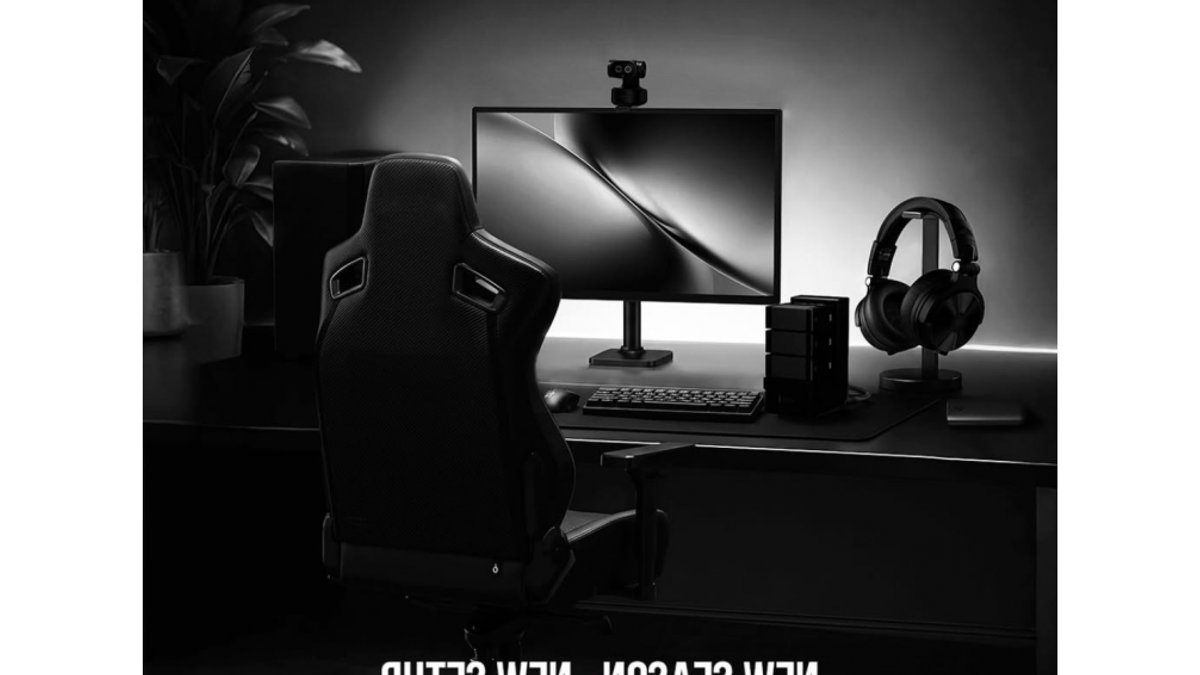
As student technology setups grow more device-dense, AndaSeat has detailed a coordinated back-to-school workstation designed to address the integration gap between modern electronics and traditional furniture. The company is presenting a three-part configuration for the 2026 academic period that combines the Kaiser 4 Series chair, Xtreme Series standing desk and Axis Single Monitor Arm to solve the problem of mismatched equipment levels.
Related: Senegal Backs Key Energy Conference
A computer workstation is often evaluated component by component. The chair may be adjustable. The desk may change height. The monitor may have its own stand. Each product can perform its stated function independently. The problem can appear at the interfaces between them. Raising a chair may improve the user’s relationship with the keyboard but change the monitor viewing angle. Raising a standing desk moves the keyboard and monitor together even though they may require different final positions. A large display stand consumes work-surface depth that could otherwise be used for books, a laptop or writing. Adding cables for monitors, charging equipment and peripherals can interfere with movement beneath and above an adjustable desk. OSHA’s computer-workstation guidance treats these relationships as interconnected. Its chair guidance states that the chair should be adjusted together with the monitor, keyboard and desk, while its monitor guidance says display placement should be considered in conjunction with other workstation components.
OSHA notes that limited work-surface space can push devices into undesirable positions and that clutter underneath a desk can restrict leg clearance and chair movement. This creates the basis for AndaSeat’s three-layer approach: Xtreme establishes the work surface, Axis separates display positioning from that surface, and Kaiser 4 manages the user’s contact with the workstation. The logic is straightforward. A monitor arm and a desk lift do not always work in the same direction. If a monitor sits on the desk, moving the desk up moves the monitor up. The user has to reposition the chair and the monitor stand to get the angle right again. By separating the arm from the desk, the screen can sit at the correct height regardless of where the keyboard is. This distinction is important because an adjustable workstation introduces movement in more than one direction. The desk travels vertically. The monitor arm extends, retracts, rotates and changes height. Cables must retain enough slack for both systems without creating loose loops across the active desk surface or restricting movement beneath it.
Related: Top 16 Budget Smartphones Under ₦200,000 in Nigeria
The Xtreme Series forms the structural base of the configuration. Its electric lift system adjusts between 28.7 and 46.1 inches, or 730 and 1,170 mm, at 22 mm per second. Three memory presets allow commonly used work-surface heights to be stored through the digital control panel. The desk supports loads up to 70 kg and uses a cold-formed steel frame. The significance of this adjustment in the three-product setup is that the complete working level can change without requiring equipment to be removed. Keyboard, mouse, notebook and other frequently used objects remain on one platform while the desk moves between stored positions. Xtreme also manages the lower portion of the workstation’s cable path. A steel cable-management tray provides space for power strips and excess cable length, while internal routing reduces exposed desk wiring. The desk therefore acts as both the physical surface and the lower infrastructure layer of the system.
The Axis Single Monitor Arm addresses a limitation that remains even when the desk itself is adjustable. If a monitor remains on its original base, the display moves exactly the same distance as the work surface whenever the desk rises or lowers. The relationship between screen height and keyboard height remains fixed. Axis separates those two variables. The arm supports 17- to 34-inch monitors weighing between 3 and 11 kg and provides tilt from -25 degrees to +90 degrees, side-to-side movement of plus or minus 90 degrees, 360-degree screen rotation and approximately 10.8 inches of vertical lift. A mechanical spring manages vertical movement, while a one-way torque hinge is designed to resist unintended downward tilt after the display is positioned. This allows the monitor to be fine-tuned after the Xtreme desk reaches its working height. OSHA recommends considering viewing distance, viewing angle and monitor height together and notes that monitor support surfaces should allow users to modify distance, tilt and rotation. It also advises providing adequate desk depth so the screen can remain at an appropriate viewing distance. Axis also removes the original display base from the active desktop area. This can leave more room for printed materials, a laptop, keyboard or other study equipment. Magnetic cable covers on both arm sections organize the final cable path between the desk and display while allowing the screen to move.
Related: Union Bank Merges with Titan Trust Bank
The third part of the configuration is the upgraded Kaiser 4 Series. Once desk and monitor position have been established, the chair manages the relationship between the user and those two layers. Kaiser 4’s 6D armrests provide 7 cm of vertical movement, 4 cm of forward-and-back adjustment, extensive rotational positioning and a wider lateral adjustment range. These controls allow forearm support to be changed according to keyboard position, mouse use and desk height. The chair’s upgraded lumbar system uses an elastic locking gas spring to provide a 24-degree pop-out range with any-angle locking. A separate four-way mechanism provides 76 mm of vertical adjustment and 30 mm of depth adjustment. These mechanisms are independent. The desk can establish the keyboard level without determining lumbar position. The monitor arm can establish screen height without requiring a change to seat height. The chair can change arm or back support without moving the display. OSHA similarly advises that chairs, monitors, desks and input devices should be arranged together rather than optimized in isolation. The Kaiser 4 therefore completes the workstation by addressing the human side of the interface rather than duplicating the adjustments already performed by the desk or monitor arm.


