


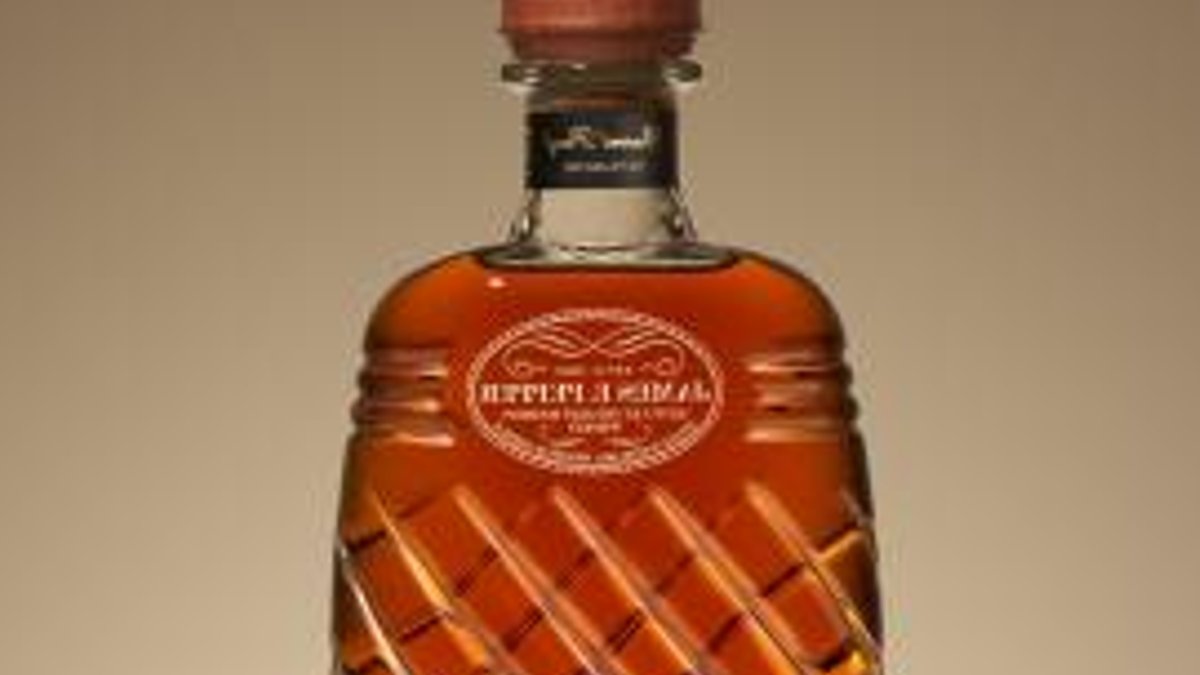
Three years after its launch, the James E. Pepper decanter stands out as one of the most recognizable bottle designs in American whiskey, according to the company.
Recreating a 1945 Classic
Founded during the American Revolution, James E. Pepper is one of Kentucky’s oldest whiskey brands. The revival of the distillery led Amir Peay, the owner, to dig into historical archives. He uncovered a collection of original bottles and memorabilia from the late nineteenth century through the mid-twentieth century, including a period-perfect decanter from 1945.
Its heavy, cross-hatched glass cutting craftsmanship and unmistakable silhouette embodied the brand’s character. The design was not just a copy, but a vision to reconnect consumers with a genuine piece of history, Peay said.
The team faced the challenge of balancing historical accuracy with modern production needs. They had to ensure the bottle could be efficiently manufactured and sealed while keeping its authentic look.
Saverglass worked directly from the original 1945 bottle to reengineer the package. They preserved the distinctive silhouette but adapted it for contemporary manufacturing. A modern wood-and-cork closure was added, requiring refinements to the neck and finish. Subtle changes to the bottle’s proportions improved the visual presentation. Integrated flat panels allowed for precise decoration without disrupting the historic aesthetic.
Original debossed details were refined for durability. An embossed inscription around the base, “JAS E PEPPER & CO. LEXINGTON, KENTUCKY,” added another layer of heritage.
Related: How to Write a Great Press Release
Market Reaction and Strategic Value
Consumers immediately adopted the decanter as a premium package and a collectible. Retailers noted its ability to stand apart in a crowded market. The bottle proved that authentic storytelling through design can become a commercial advantage.
For Saverglass, the project shows how a company can help brands unlock value from their history. The partnership demonstrates the ability to translate a brand’s heritage into packaging that catches attention and creates a lasting impression.
Amir Peay noted that the bottle represented everything the brand wanted to stand for. It was an opportunity to reconnect with history rather than relying on empty nostalgia.
The collaboration illustrates what happens when historical authenticity, consumer insight, and manufacturing excellence come together. The result is a bottle that serves as a tangible expression of a brand’s past.
For consumers, the heavy glass and cross-hatched cutting of the decanter offers a physical connection to a bygone era of bourbon production. Holding the bottle provides a tactile reminder of the craftsmanship that defined the industry decades ago. It turns a standard purchase into an encounter with history.


