


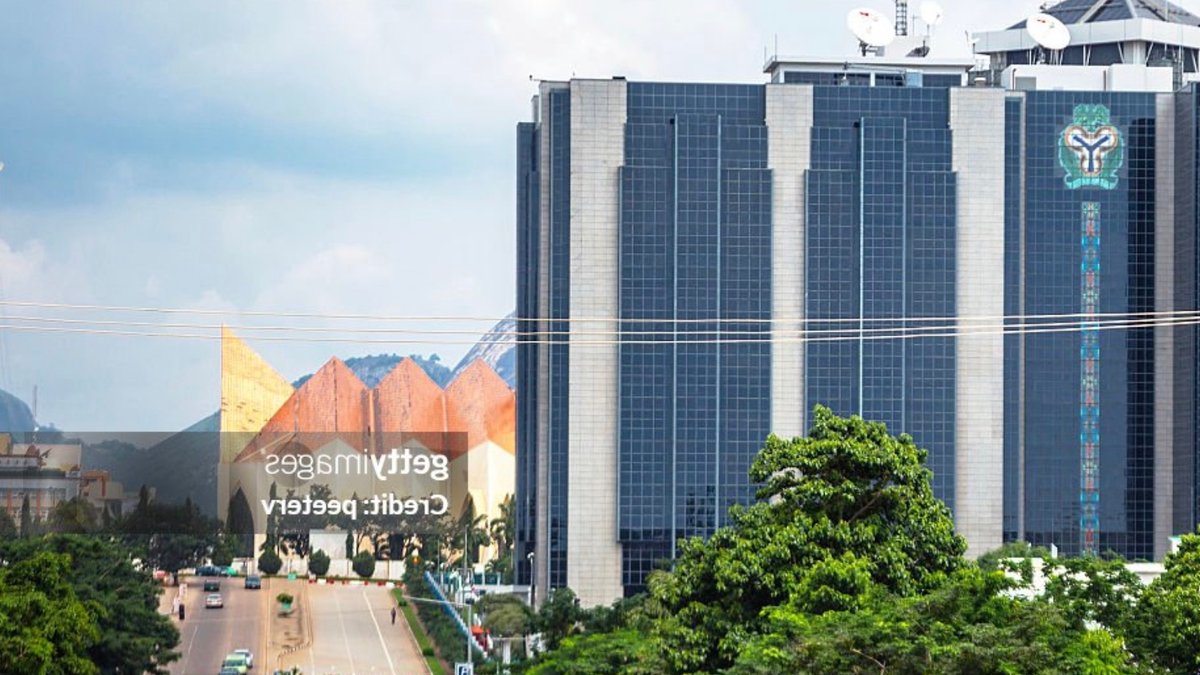
Central Bank of Nigeria Governor Olayemi Cardoso has moved to deepen financial connections with Brazil during President Bola Tinubu’s recent state visit to Brasília. This meeting marks a significant step in South-South cooperation, bringing together Cardoso and Brazilian central bank chief Gabriel Muricca Galípolo for high-level discussions. The agenda was centered on fortifying economic bridges through fintech innovation, mobile money integration, and smoother cross-border remittance channels.
The talks occurred as both nations look to modernize their financial infrastructure. Nigeria is currently Africa’s largest economy, while Brazil serves as a financial powerhouse in Latin America. By aligning their strategies, the central banks hope to create a more unified approach to handling digital transactions and monetary policy.
“Nigeria is building a more resilient financial system to attract capital, harness diaspora remittances, and create a stable environment where trade and investment can thrive,” Cardoso stated during the bilateral meeting.
Digital Infrastructure Strategies
Nigeria’s fintech sector has rapidly become a primary engine for financial inclusion across the region. Mobile money platforms like MTN MoMo and Airtel Money have effectively transformed how payments are processed, particularly in areas where traditional banking has struggled to reach. Brazil presents a mature market with its Pix payment system, a platform that has achieved massive adoption rates exceeding 150 million users annually.
Related: GTBank branches open today across the country
This collaboration reflects a growing trend where emerging economies bypass traditional Western financial intermediaries to build direct links. By sharing regulatory blueprints and technical infrastructure, these nations can reduce their dependency on global payment networks that often impose high fees and slow processing times on developing markets.
Financial technology experts on social media have pointed out that Brazil’s success with Pix offers a clear roadmap for Nigeria’s digital payment development. The system provides immediate settlement and low-cost transfers, features that are in high demand within the Nigerian market. Analysts on LinkedIn and Twitter have suggested that this cooperation could accelerate the alignment of regulatory frameworks between the two nations.
Expanding Remittance Corridors
A significant portion of the discussions focused on the cultural and economic ties provided by Brazil’s Afro-Brazilian community. This group constitutes the largest population of African descent outside of Africa. Officials view this demographic not just as a cultural bridge, but as a vital economic corridor for expanding remittance flows.
The financial stakes are high. Nigeria received over $20 billion in diaspora remittances in 2024. The broader African continent has seen a sharp rise in these inflows, climbing from $53 billion in 2010 to approximately $95 billion in 2024. The data shows the growing importance of the diaspora in supporting local economies.
Despite the volume of money moving across borders, transaction costs remain a barrier. Current fees average around 5% per transfer. The new partnership aims to formalize these flows and drive costs down to meet the UN Sustainable Development Goal target of 3%. This reduction would make it cheaper for families to receive support from relatives abroad.
Technical meetings were conducted between directors from the CBN responsible for currency operations, financial policy regulation, and monetary policy. Governor Galípolo welcomed the engagement and described it as critical to promoting financial stability. The discussions covered the mechanics of institutional cooperation and supervisory frameworks.
The announcement has drawn mixed reactions across the digital setting. While many analysts have highlighted the potential for knowledge sharing, some critics have expressed concern regarding the implementation of such agreements. Commentary on TikTok and Instagram has often referenced past memorandums of understanding signed by Nigeria that failed to materialize into concrete results.
Economic expert Collins Nweke summarized this cautious optimism on News Central TV. He said that “the potential is just huge but if it is not driven purposefully, it will end up like other MOUs collecting dust.”
To succeed, the partnership plans to leverage Brazil’s experience with open banking frameworks and regulatory sandboxes alongside Nigeria’s mobile money regulations. Both countries face similar hurdles, including infrastructure limitations, regulatory uncertainty, and the need to build consumer trust in digital financial services.


