


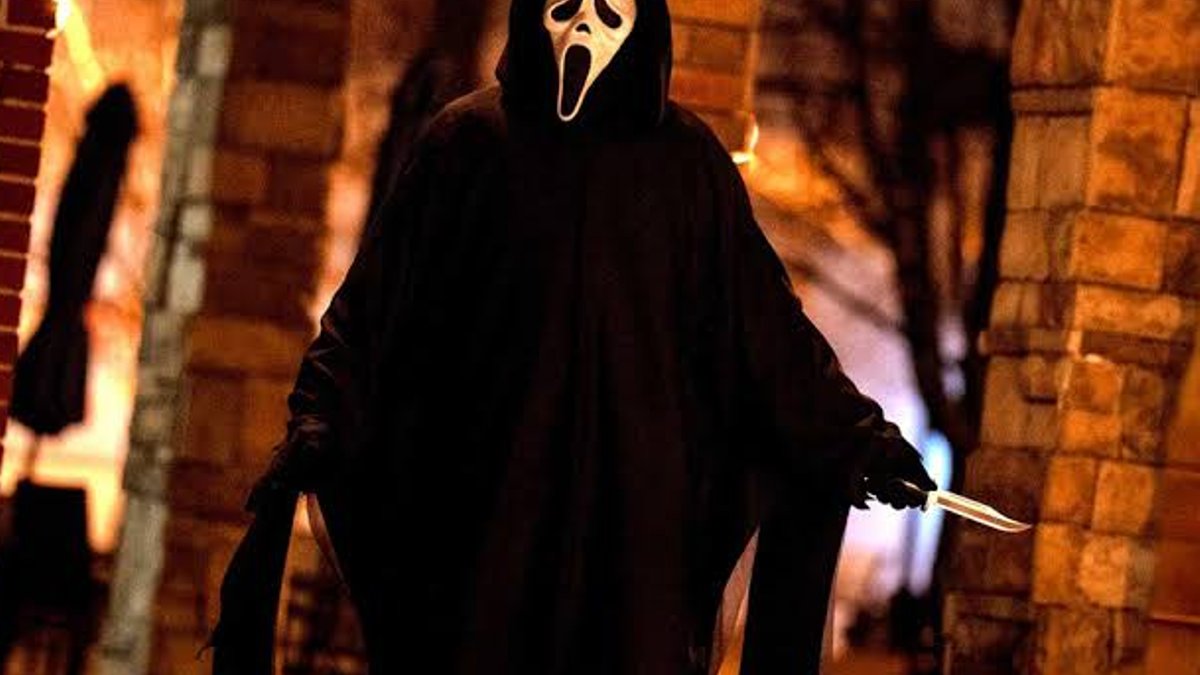
Over thirty years, the Scream series has produced seven theatrical releases and undergone numerous key cast shifts, yet its box-office performance far outpaces its critical reception.
The seven movies have generated more than $1.1 billion worldwide, according to The Numbers. Scream 7 became the highest-grossing film in the series at about $213.8 million worldwide.
Yet the latest installment also received the franchise’s weakest critical response. It has a 35 Metascore based on 42 reviews and a 30% Tomatometer score on Rotten Tomatoes.
A key contradiction of the Scream series is that despite criticism of the filmmaking, the Ghostface brand consistently draws audiences to theaters.
The 1996 Original’s Massive Profit
The first Scream movie, released in 1996, had a production budget of $15 million and went on to earn around $173 million worldwide, becoming a quintessential horror film of the 1990s.
The sequels have had much more uneven results.
Scream 2, released just a year after the original, generated about $172.4 million worldwide on a $24 million budget.
Although commercially successful, the sequel faced challenges in expanding the horror formula without repetition, a common problem in the genre.
Read Also: Pope calls new martyrs heroes of faith in modern age
The central cast, including Neve Campbell, Courteney Cox, and David Arquette, returned for the sequel, which also introduced new actors such as Sarah Michelle Gellar, Jada Pinkett Smith, and Liev Schreiber.
Its cast was stronger on paper than many horror sequels. But the film’s self-referential approach also reinforced one of the franchise’s recurring weaknesses. The Scream movies increasingly had to comment on the rules of horror while simultaneously following those rules.
Critical Reception and Acting Assessment of Scream 7
Metacritic lists the film at 35 based on 42 critic reviews, while Rotten Tomatoes records a 30% Tomatometer score. Variety described the movie as too basic and lacking the inventive qualities of the strongest entries. Other critics questioned its writing, scares, and reliance on franchise nostalgia, noting a perceived decline in sharpness compared with earlier installments.
Reviews highlighted Neve Campbell and Courteney Cox receiving more favorable attention, whereas the younger ensemble faced a tougher task carrying a story critics deemed less sharply written. Many negative reviews cited the screenplay, structure, repetition, and direction alongside performance critiques, indicating broader concerns beyond individual acting.
Scream 3: Hollywood Satire and Mixed Reviews
Scream 3, released in 2000, made about $161.8 million worldwide from a $40 million budget.
The movie’s reputation has been notably weaker than its predecessors, despite its commercial significance and the franchise’s ability to continue drawing audiences.
The movie moved the action to Hollywood. It placed Sidney Prescott, Gale Weathers, and Dewey Riley inside a story about the production of a fictional Stab movie.
The concept provided plenty of opportunities for the franchise’s trademark Hollywood satire. But critics have often viewed the film as less sharp than the first two installments. The movie currently sits well below Scream and Scream 2 in aggregate critical assessments.
Scream 4 was the biggest commercial stumble before the 2020s. Released in 2011, the film reunited Neve Campbell, Courteney Cox, and David Arquette with Wes Craven.
Read Also: How to Update Voter Registration for 2026 Midterms
It also introduced a younger generation of performers, including Emma Roberts, Hayden Panettiere, Rory Culkin, Alison Brie, Anthony Anderson, Adam Brody, and Lucy Hale.
But the box office fell dramatically. Scream 4 earned about $96 million worldwide on a reported $40 million budget, compared with more than $161 million for Scream 3 and more than $172 million for the first two films.
Its domestic gross was only about $38.2 million. The movie’s commercial performance effectively ended the theatrical series for more than a decade.
Scream Returns in 2022 with New Directors
The fifth film, simply titled Scream, arrived in 2022 and revived the series after an 11-year theatrical gap.
Matt Bettinelli-Olpin and Tyler Gillett took over directing duties from Craven, who had died in 2015. The film introduced Melissa Barrera as Sam Carpenter and Jenna Ortega as Tara Carpenter while bringing back Campbell, Cox, and Arquette.
The movie earned approximately $138.9 million worldwide on a reported $24 million budget. Its financial performance was strong enough to generate Scream VI.
But the film also marked a major generational transition. Sidney was no longer the undisputed center of the franchise, while new characters became increasingly important to the story.
Scream VI moved the action from Woodsboro to New York City and became the highest domestic-grossing Scream movie at the time.
Read Also: Man pleads guilty to courthouse bombing
It opened to approximately $44.4 million domestically and ultimately earned about $169.1 million worldwide on a reported $33 million budget.
The film brought back Barrera, Ortega, Jasmin Savoy Brown, Mason Gooding, and other members of the younger cast. It also resurrected Hayden Panettiere’s Kirby Reed from Scream 4.
Scream 7 represents the franchise’s most striking contradiction. The film was commercially successful. It opened to about $63.6 million domestically and finished with approximately $213.8 million worldwide, according to The Numbers.
Controversy Hits Scream 7 Over Firing
The controversy surrounding Scream 7 extended beyond the movie itself. Matthew Lillard, who played Stu Macher in the 1996 original, returned as Stu in the seventh film.
At a 30th-anniversary screening of the original Scream, Lillard said he felt “ashamed” about returning after Melissa Barrera was fired from Scream 7 following social-media posts about Israel and Gaza.
Lillard said he regretted not considering Barrera’s situation before agreeing to return. He described his decision as being on the “wrong side of history.
Barrera had appeared as Sam Carpenter in both Scream (2022) and Scream VI. Spyglass said at the time of her firing that it had “zero tolerance” for antisemitism or incitement of hate.
Jenna Ortega subsequently did not return for Scream 7, while Christopher Landon also left the project. The production was subsequently reworked around the return of Neve Campbell’s Sidney Prescott, with original screenwriter Kevin Williamson taking over as director.


