


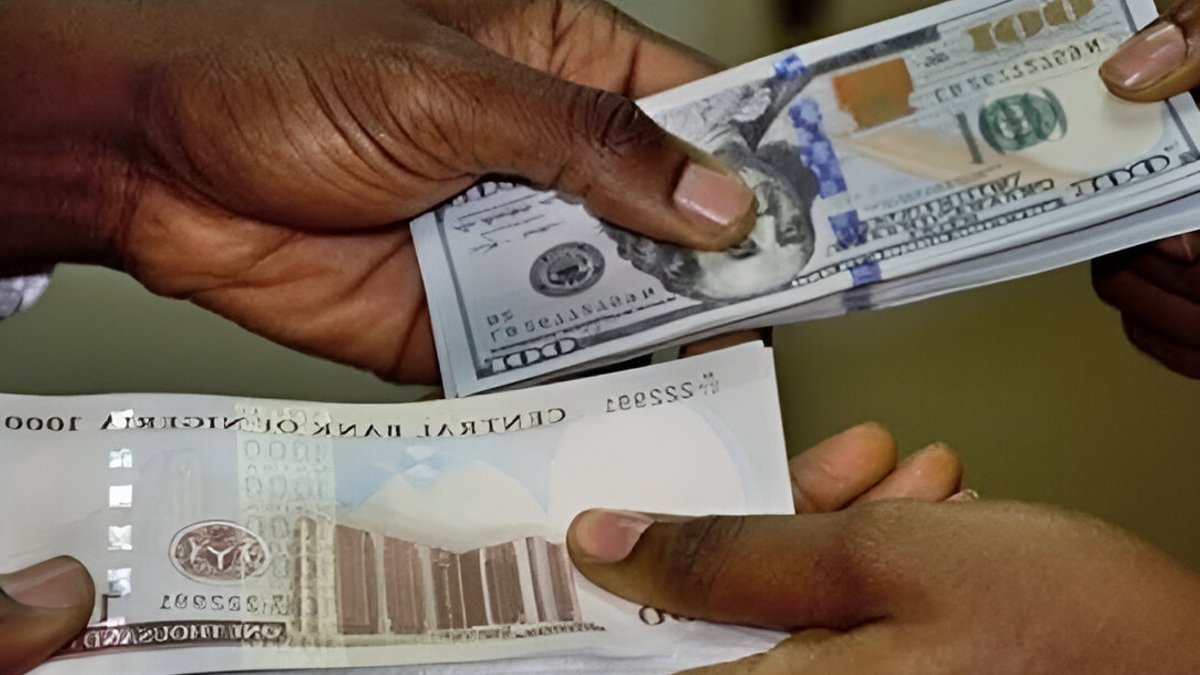
The Nigerian naira gained slightly against the dollar on Wednesday, closing at N1,537.07 in the official foreign exchange market. The increase of N0.54 followed two days of losses and coincided with a milestone in the country’s external reserves, which topped $41 billion for the first time in over four years.
Reserves hit four-year high
Nigeria’s foreign reserves climbed to $41.22 billion as of August 26, marking the highest level since March 2021. The growth reflects a 12.42% year-on-year rise, adding $4.53 billion from last year’s $36.47 billion.
Babajide Ogunsanwo, a data analyst, attributed the recovery to improved pipeline security, higher crude oil production, and an increase in the Central Bank of Nigeria’s gross external reserves. Bashir Ojulari, CEO of the Nigerian National Petroleum Company Limited, stated that crude oil receipts from pipelines and terminals had nearly reached full capacity, up from earlier lows of 20-30%. The improvement followed stronger security collaboration with military and intelligence agencies.
Related: Mahama Declines 2028 Bid Boosts Term Limits
Daily crude oil exports have averaged over 1 million barrels since January, reversing a four-year trend of lower volumes. The 2025 federal budget assumes production of 2.06 million barrels per day at $75 per barrel, making the target appear more realistic.
Foreign investment flows rebound
Foreign portfolio investment jumped in July, reaching $3.8 billion—a 24% increase from June. Offshore inflows alone rose to $1.7 billion, up from the previous month. These investments now account for 45% of total inflows, signaling renewed confidence among foreign investors.
While July’s figures fell short of May’s peak, analysts at FBNQuest described the recovery as a cautious return of trust. The first seven months of 2025 saw cumulative foreign portfolio transactions reach N1.28 trillion, more than double last year’s figure.
Related: Union Bank Merges with Titan Trust Bank
The Central Bank’s interventions and a shrinking gap between official and parallel market rates have stabilized the naira. Social media responses have been mostly positive, with financial analysts and content creators highlighting the reserves milestone as progress for economic stability.
Sustained oil production and rising investor inflows could help the naira hold steady. The reserves increase has also reduced pressure on the central bank, which had spent much of the past two years defending the naira. With more dollars available, the bank may now address other priorities.


