


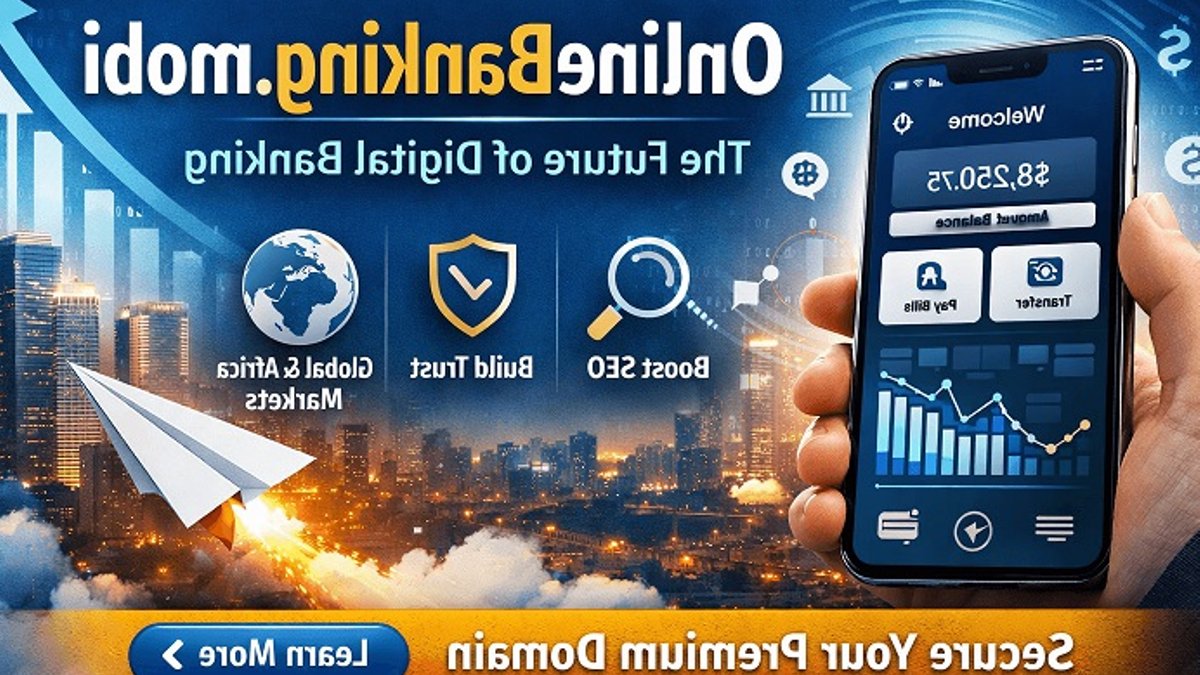
Africa’s Digital Banking Revolution is reshaping how people access money, with mobile‑first fintech platforms leading the charge toward a more inclusive financial system.
Mobile Money Paved the Way for a New Financial Setting
The continent’s shift from traditional bank branches to cloud‑based services began with the rapid spread of mobile money. Early platforms let users send cash through basic cell phones, bypassing the need for a physical account.
According to a GSMA report, mobile technologies now underpin much of Africa’s digital transformation, supporting both connectivity and economic activity.
World Bank data highlights that digital payments are a key driver of financial inclusion in emerging markets, where many still lack access to formal institutions. The International Monetary Fund has similarly noted the role of technology‑enabled services in expanding credit and savings options for underserved populations.
Beyond Payments: Integrated Digital Financial Ecosystems
Fintech innovators are now building platforms that combine banking, lending, insurance, and business services into a single mobile experience. This move reflects a broader pattern: the sector is evolving from isolated payment apps to fully integrated financial systems.
This reflects a broader pattern: the sector is evolving from isolated payment apps to fully integrated financial systems.
The next generation of platforms aims to act as gateways, linking users to a variety of products through a simple interface. A category‑focused digital asset like OnlineBanking.mobi signals the growing importance of such mobile‑first experiences.
Related: Why Doctors and Lawyers Should Invest in Personal Branding Through PR
In the middle of this transformation, the continent’s fintech sector resembles a patchwork of regional solutions that together form a cohesive whole. While each country may have its own preferred apps and providers, the overarching trajectory points toward unified digital services that can scale across borders.
From a broader perspective, this mirrors earlier waves of technology adoption where initial breakthroughs—like the internet’s spread in the 1990s—gave way to more complex ecosystems. Early web browsers eventually led to full‑stack online platforms, and Africa’s mobile money roots are now sprouting into integrated financial hubs.
Nevertheless, challenges remain. Infrastructure gaps, regulatory uncertainty, and varying levels of digital literacy can hinder rollout. Yet the momentum appears strong, with investors continuing to fund startups that promise to bridge these gaps.
Implications for the Future of Finance
The emerging digital banking model could reshape economic participation across the continent. By lowering entry barriers, mobile‑first platforms enable entrepreneurs to access capital and consumers to save or insure with minimal friction.
As more services converge on a single mobile interface, users may experience a seamless financial journey previously reserved for wealthier markets.
Looking ahead, AI‑driven tools are expected to enhance these ecosystems, offering personalized credit scoring and risk assessment. While the full impact of such technologies is still unfolding, the foundation laid by mobile money and integrated fintech platforms positions Africa to lead in next‑generation banking solutions.


