


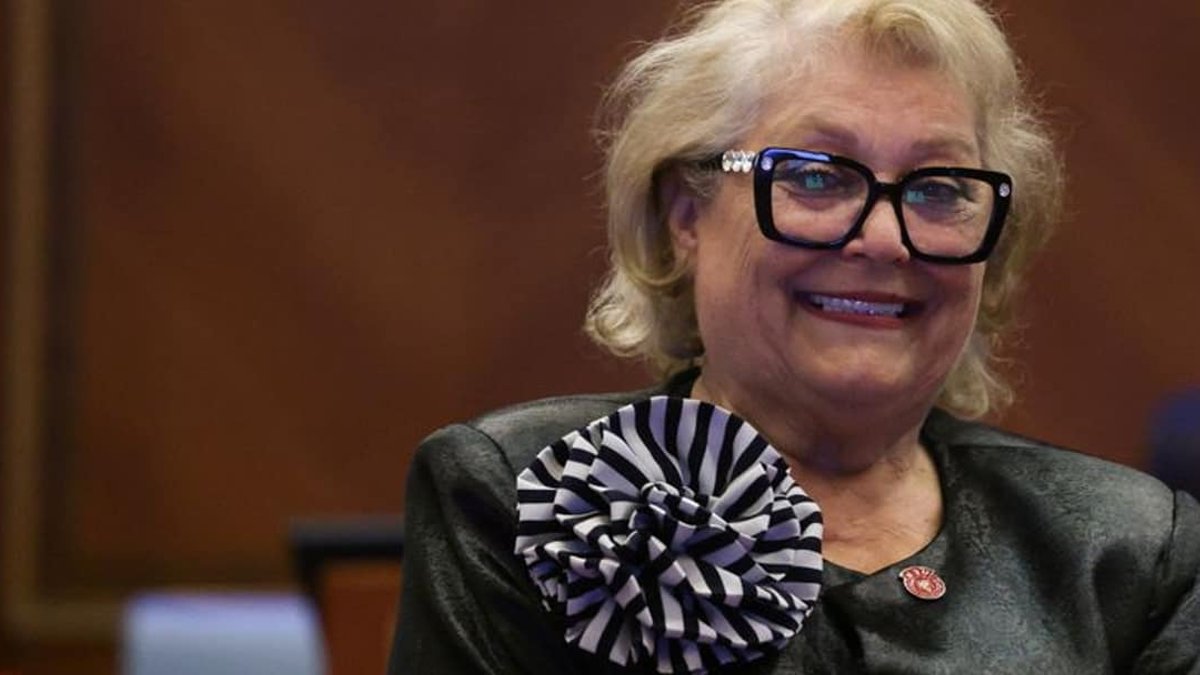
Kosovo’s parliament elected economist Justina Shiroka Pula as president on Wednesday, securing the required 81 votes in the 120-seat chamber just before a constitutional deadline. The move prevented a second snap parliamentary election this year after the June vote failed to produce a president. Negotiations between Prime Minister Albin Kurti’s ruling Vetevendosje party and the opposition Democratic Party of Kosovo (PDK) made the election possible, resolving a dispute over the Kosovo Specialist Chambers in The Hague.
The presidency in Kosovo carries limited executive authority but has often become a focal point for political conflicts. A two-thirds majority is needed to elect a president, a requirement that has previously stalled agreements. Shiroka Pula’s election, backed by both major parties, stopped the parliament from dissolving, which would have forced new elections during a period of economic hardship in one of Europe’s poorest countries.
Read Also: Euro Struggles Amid Political, Fiscal Worries
Born in 1953, Shiroka Pula is a long-serving academic and former government official. She previously served as economy minister from 2008 to 2011 and currently leads Kosovo’s Academy of Sciences and Arts. In her first public remarks, she stressed national unity, declaring that the presidency belongs to the people and vowing to represent all Kosovo’s citizens.
The political agreement that allowed her election focused on restricting the jurisdiction of the Kosovo Specialist Chambers in The Hague. The court recently handed down sentences totaling 81 years against former President Hashim Thaci and three associates for crimes committed during Kosovo’s 1998–1999 conflict with Serbia. Police fired tear gas and used water cannons on Monday to disperse demonstrators demanding the changes be approved. Critics have asserted the Hague court’s punishments are too harsh.


