


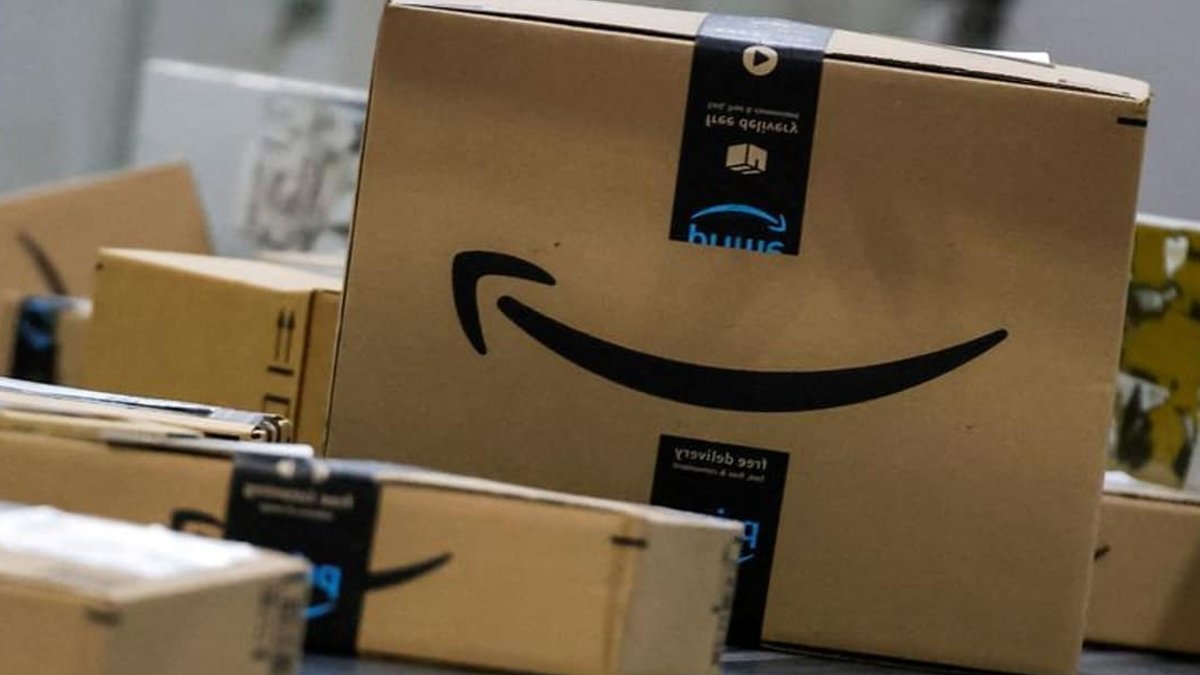
Amazon announced on Wednesday that it had eliminated a small number of positions, with the majority of the reductions taking place in its Stores unit, which manages the primary e-commerce platform. The timing of these cuts coincided with Prime Big Deal Days, the company’s major shopping event that began on Tuesday and continues through Wednesday. According to an internal Slack channel, the layoffs affected employees in the United States, India, and the United Kingdom. Specific divisions within the Stores business, including customer service and selling partner services, were targeted for reductions. These locations span multiple countries, indicating a global effort to streamline the organization during this high-traffic period.
Efficiency Measures and Corporate Structure
Amazon let go of fewer than 1,000 white-collar workers, a figure confirmed by a person familiar with the matter. Business Insider reported the scale of the cuts earlier. The company described the move as an adjustment to the structure of its Stores business, stating that this change will better enable the firm to meet its priorities. A spokesperson for Amazon provided this explanation via an emailed statement. The specific divisions hit included customer service and selling partner services, which handle external seller interactions and support. This restructuring aims to optimize the operational framework of the retail arm.
Read Also: Kosovo parliament elects economist as president
This latest round follows a larger wave of layoffs that began last year and continued into January. That previous round saw about 30,000 jobs eliminated. Jeff Bezos, the founder and executive chairman, addressed the ongoing reductions in an interview with Fox News. He attributed the job cuts to the company over-hiring during the pandemic. The current phase focuses on realigning the workforce with current demand levels rather than the surge experienced during the health crisis.
Pandemic Hiring and Structural Shifts
Bezos noted that people were staying home and ordering goods during the health crisis, creating a period of intense activity for the company. He described this time as stressful for the entire team. Despite the heavy workload, the company expanded its headcount rapidly during that period. The current restructuring efforts aim to align the workforce with current operational needs rather than the high volume of orders seen in previous years. This shift reflects a broader trend in the tech sector to consolidate operations after periods of explosive growth.


