


A theft in 1911 helped turn Leonardo da Vinci’s Mona Lisa into a global icon, fueled by widespread media coverage. The painting was stolen from a Paris museum and recovered about two years later after an attempted sale led to an arrest.
The theft pulled the painting out of obscurity, and it quickly became something widely talked about.
The founder of what was then the world’s largest PR tech firm sat down with us to talk about the key strategy behind his successful campaigns for leading brands and companies.
Our AI series, covering everything you need to know about using AI platforms for search visibility, continues.
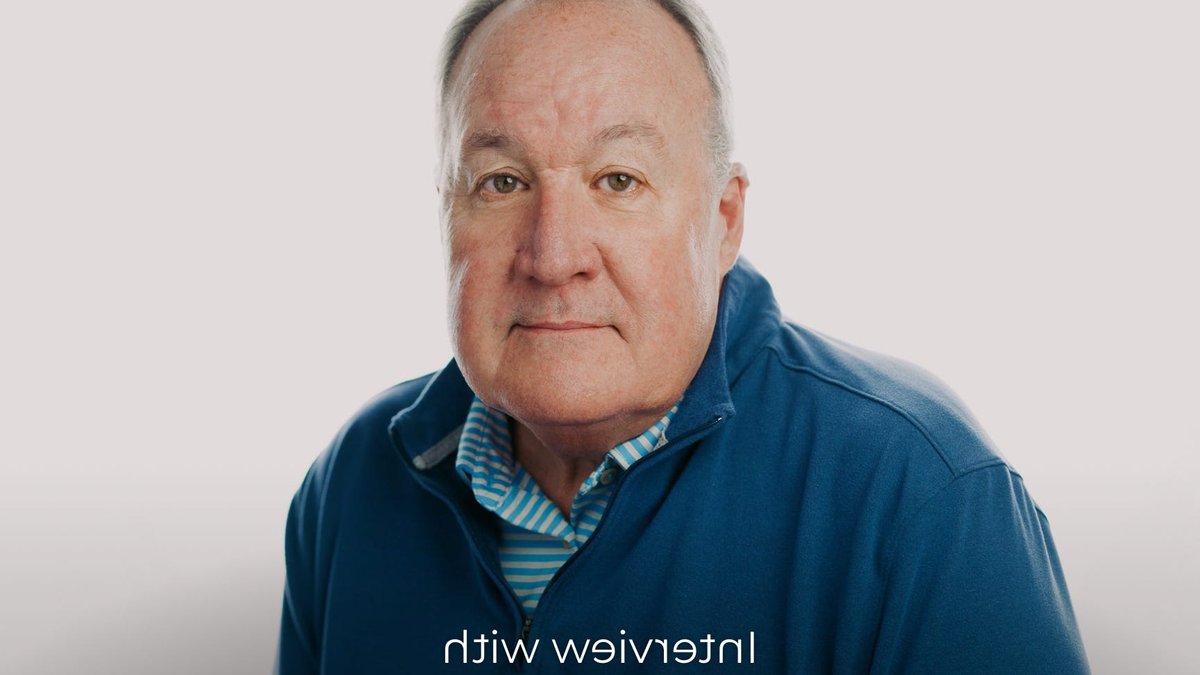
Tech PR Pioneer Larry Weber on the Power of Storytelling
Larry Weber, who’s spent four decades in the PR game, didn’t hesitate when we asked him what’s been most disruptive to the industry. “The actual World Wide Web was the most disruptive,” he explained, not artificial intelligence like many people assume.
He also reminded us that strong relationships with journalists can still open doors to major earned media, including the kind of front‑page coverage he once helped secure in the Wall Street Journal.
Weber recalled meeting a young Mark Zuckerberg when Facebook had just launched and working with Steve Jobs.
Scaling a Business Without a Big Team
Ramon Ray knows what it takes to grow a business as a one‑man band. “Solo entrepreneurship isn’t a hobby. It’s a real business model,” he said during our second Heard on the Streets video podcast episode.
Related: CGS Infotech partners with Swami Vigyananand on tech initiative
Ray talks through what it really looks like to scale without a big team. He shares why the right partnerships can move your business forward and how solo founders can spot the moment they’re ready to grow.
He also gets into how press releases build social proof and can increase your visibility in AI tools, which is a topic they explore further in their AI visibility series, including how to use new tech to improve search visibility.
How Press Releases Can Shape AI Search
Press releases have taken on a new job in the AI era. They still help companies share news with journalists and the public, but they now play a role in getting reliable information into AI systems.
A well‑structured release that is distributed consistently can place accurate details across multiple credible sources.
Turning Search Clicks Into Revenue
Josiah Roche has made a name for himself in the world of getting found online. One of his biggest lessons is that tracking what happens after a click can completely reshape a campaign.
His firm specializes in Google ads and SEO, which he says are the tools that actually get businesses found online, and can be used in conjunction with financial partnerships to increase revenue.
Roche walked us through how following the full customer journey has helped clients push past the seven‑figure mark.
He said, “Learn to use AI as more than an editor. The real unlock is treating it as an assistant that surfaces trends, scans the news cycle and handles the repeatable basics, so you can spend your time on the work that actually moves the business.”


