


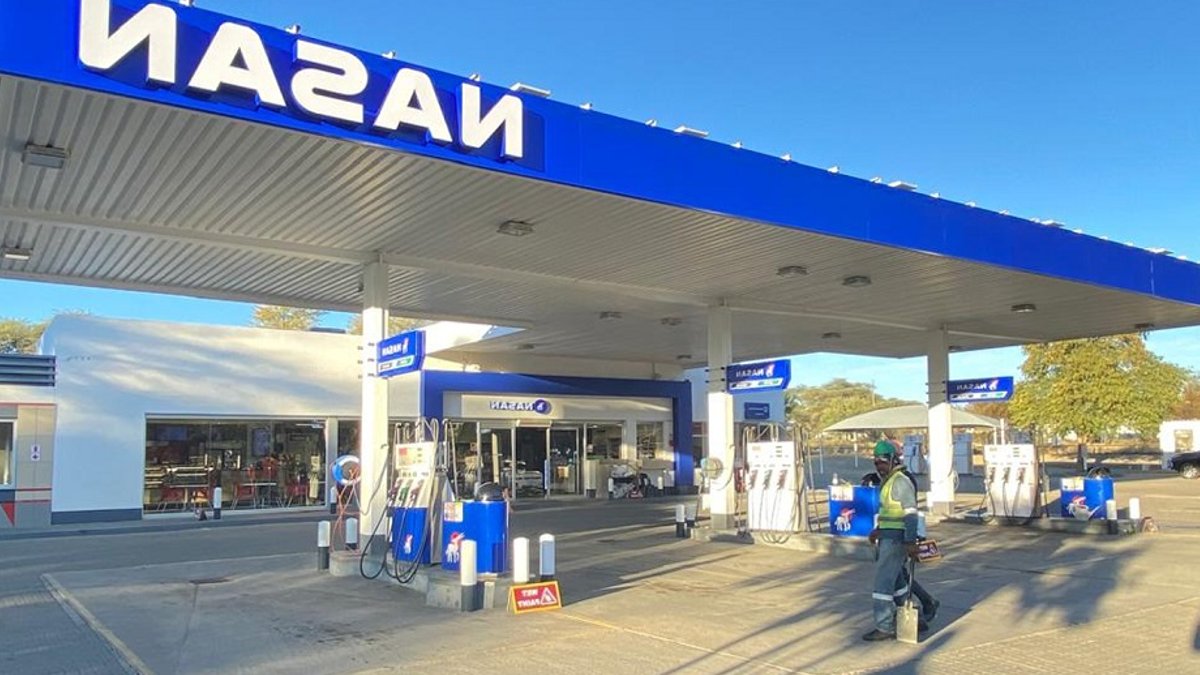
Nasan Energies has completed a US$50 million purchase of 52 Engen and Shell‑branded fuel stations across Namibia, positioning the locally owned firm as the country’s third‑largest oil marketing company and one of the fastest‑growing retailers in Southern Africa.
Acquisition details and market impact
The deal, announced after the Vivo Energy‑Engen merger created a pool of assets for sale, attracted more than 50 bidders from the region and beyond. After a competitive evaluation, Nasan Energies was selected on the basis of its financial depth, technical know‑how and a long‑term commitment to Namibia’s energy sector.
With the new sites added to its network, it now operates a sizeable retail footprint that spans urban and rural locations. The expansion is expected to improve fuel availability and stabilize prices, contributing to Namibia’s broader goal of enhancing energy security.
According to the filing, the transaction is among the largest ever in the country’s downstream petroleum market. It also marks a notable shift toward indigenous ownership in an industry long dominated by multinational firms.
Leadership and youth‑driven growth
At the helm is 33‑year‑old Miguel Hamutenya, who also leads Millennium Investments Group. He holds an honours degree in business administration from BI Norwegian Business School and a diploma in corporate finance from the European School of Economics. He is currently pursuing a master’s degree focused on energy and sustainability.
Related: AI’s rise leaves ads forgettable
Since returning to Namibia in 2016, Hamutenya has helped expand his family’s portfolio, notably through the acquisition of BP’s LPG assets and the growth of Central Gas Namibia, the nation’s leading bulk LPG importer and distributor.
All shareholders in Nasan Energies are under the age of 33, a detail the company highlights as evidence of its commitment to youth participation in the continent’s energy sector.
“This is far more than the acquisition of service stations,” Hamutenya said. “It’s about proving that indigenous African companies have the expertise, capital and vision to own and grow strategic national assets.”
Looking ahead, the firm plans to invest in digital upgrades, staff training and operational efficiencies across its network.
While the ambitious growth plan signals confidence, the reality of scaling operations in a market with limited infrastructure could pose challenges. Managing a larger network may strain existing logistics and require careful coordination with suppliers and regulators. Its ability to manage these hurdles will likely determine whether the expansion translates into lasting market share.
Related: How to Effectively Schedule LinkedIn Messages for Enhanced Networking
Economic and strategic implications
The acquisition aligns with Namibia’s ambition to promote a globally competitive economy driven by local entrepreneurs. By keeping the assets under indigenous control, the transaction supports the nation’s industrialisation agenda and its aim to increase domestic value creation.
Millennium Investments Group, the parent of Nasan Energies, operates across sectors ranging from property development to mineral processing. Its diversified portfolio provides a financial cushion that could help buffer the fuel retailer against market volatility.
In the short term, the expanded network is set to deliver more stations for consumers, potentially reducing travel distances for fuel purchases. The company has pledged to maintain service quality while rolling out new customer‑focused initiatives.
Overall, the transaction highlights a growing trend of local ownership in Africa’s downstream oil sector, a development that could have lasting effects on energy security, employment and economic diversification.


