


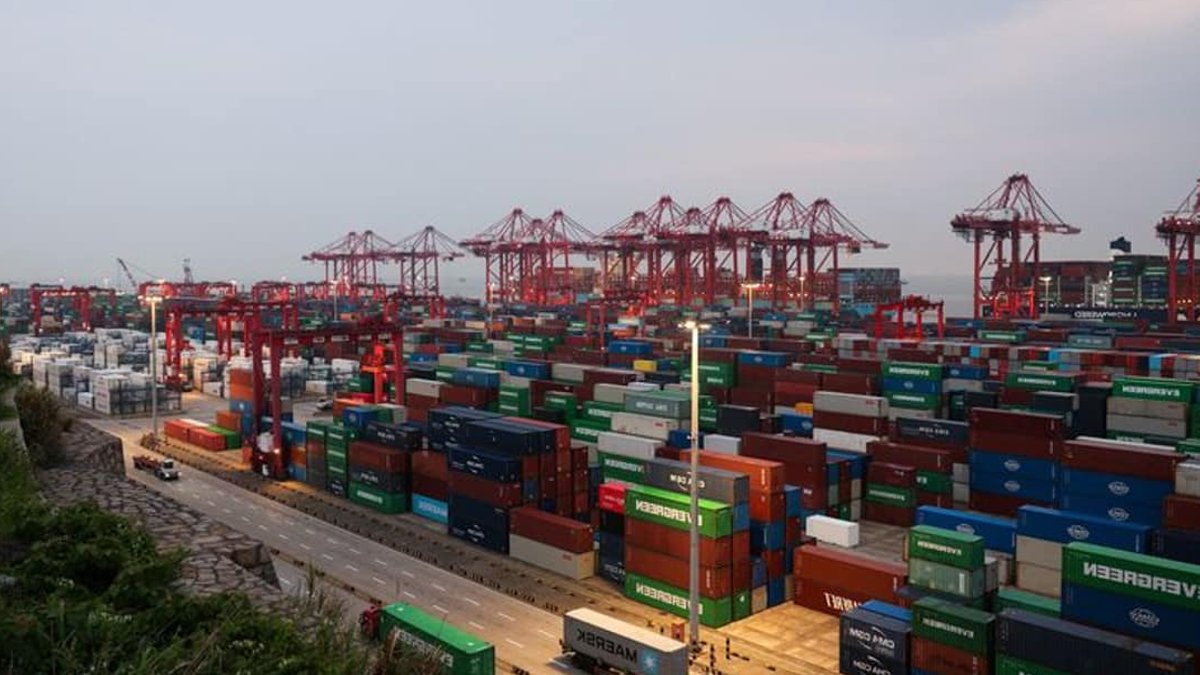
China’s economic growth has rebounded, reaching 4.5% in the third quarter, driven by a surge in exports. This recovery comes despite weak consumer demand and ongoing challenges in the property market.
The growth rate exceeded expectations, with analysts predicting that Beijing will achieve its 2026 target of 4.5%-5.0% without additional stimulus. This is supported by a strong start to the year and recent fiscal and monetary measures.
Export Boom Fuels Growth
China’s exports have been a key driver, with a significant increase in shipments of goods ranging from chicken meat and beauty products to electric cars and prefabricated homes. This has helped offset weak domestic demand, as reflected in lagging retail sales and a struggling property market.
The export boom has also led to a stronger yuan, reaching its highest level since July 2022. However, this reliance on external markets has raised concerns about structural imbalances and geopolitical risks.
Domestic Challenges Persist
While exports thrive, China’s domestic economy faces headwinds. Retail sales growth remains sluggish, with a 1.1% increase in September, the fastest in six months but still low. The property market’s downturn has eroded household wealth, impacting consumer sentiment.
Unemployment, though slightly lower at 5.2% in September, is influenced by the growing gig economy. Many workers, like Laura Shi, are cutting back on spending, opting for budget-friendly travel options.
Businesses are also feeling the pinch. Zhang Chao, a motorbike headlights company manager, has shifted focus to export markets due to intense competition and low profits in China. This trend highlights the challenge of stimulating domestic demand.
The government has introduced support measures, including cheaper credit for infrastructure and tech, mortgage subsidies, and funds for local governments. These efforts aim to address the imbalances and boost growth, but economists note they are primarily supply-side focused.
With global trade tensions rising, China’s ability to maintain its export-led growth will be tested. The European Union’s move to limit Chinese hybrid car exports is a sign of growing protectionism, adding another layer of complexity to China’s economic outlook.
Industrial output rose 5.5% in September, a positive sign, but the property sector’s slump continues to weigh on the economy.
October’s holiday saw average spending per trip fall to four-year lows, reflecting weak consumer demand.
Global Trade Tensions and Industrial Upgrading
China’s export boom has sparked reactions worldwide, with the European Union planning further curbs on Chinese hybrid car exports. This move comes as trade surpluses with Germany and France surged over 200% year-on-year in September.
Despite global tensions, China is on track to surpass last year’s $1.2 trillion trade surplus. Some manufacturers are even returning to China as US tariffs on Chinese goods become more competitive with those from other countries like Vietnam.
The government has acknowledged the “unbalanced and inadequate development,” with high-end manufacturing, the digital economy, and modern services contributing significantly to growth. Statistics bureau official Mao Shengyong described the 4.6% growth in the first nine months as “hard won.”
Workers like Carol Huang, a 26-year-old accountant in Hangzhou, express frustration over reduced bonuses and limited job prospects.
These efforts aim to bolster growth and alleviate financial pressures on local authorities, which saw a 7.2% fall in fixed-asset investment in the first nine months of the year.


