


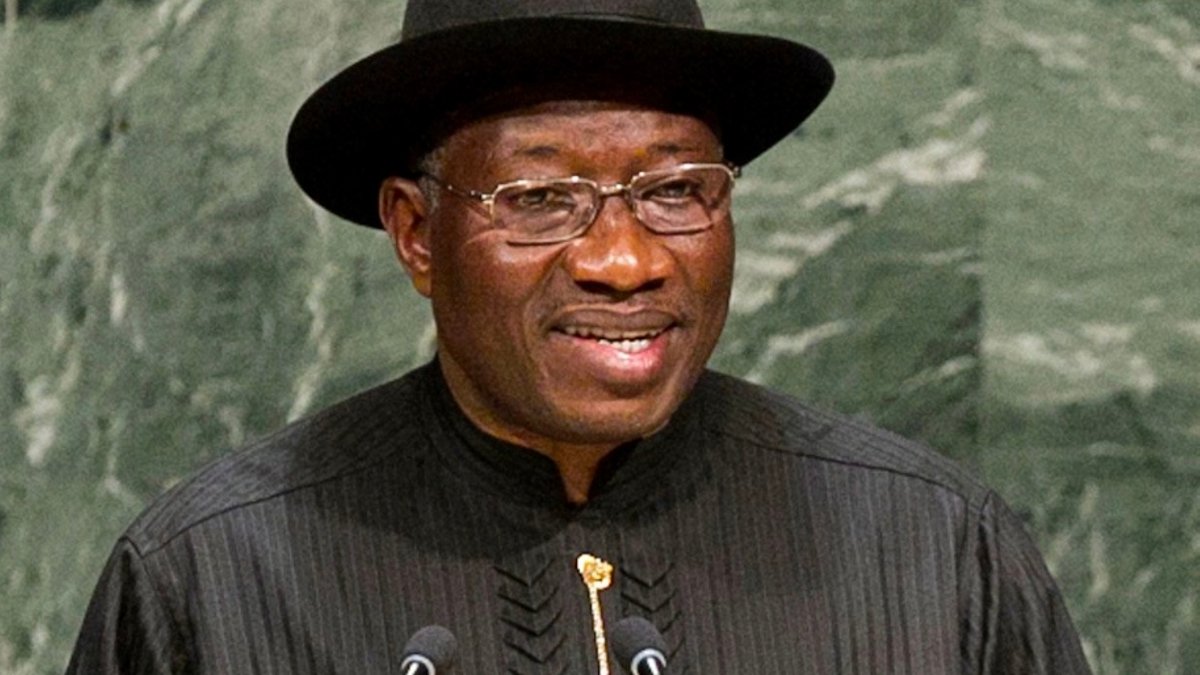
Nigeria is examining whether former President Goodluck Jonathan can return to the presidency in 2027, a prospect that has divided legal experts, politicians, and citizens. The debate centers on whether a constitutional provision could bar his candidacy and whether the nation will challenge it in court.
The Constitutional Question
Section 137(3) of Nigeria’s 1999 Constitution, added in 2018, prohibits anyone who completed another president’s term from being elected to the office more than once. Jonathan assumed office in 2010 following President Umaru Yar’Adua’s illness and later secured his own term in 2011.
Supporters contend the amendment should not apply retroactively. Jonathan’s cousin and lawyer, Robert Azibaola, stated he is “100% constitutionally and legally qualified” during a public exchange with critics. Human rights lawyer Chidi Odinkalu cautioned that any 2027 campaign would face immediate legal challenges, potentially disqualifying Jonathan before the election.
The disagreement has prompted a broader discussion about Nigeria’s legal interpretations. Courts have ruled on similar cases, but none involved a former president with Jonathan’s specific timeline. The uncertainty has turned his potential candidacy into a proxy battle over whether the constitution should accommodate political convenience.
Support for Jonathan is particularly strong in northern Nigeria, a shift from 2015 when the region largely opposed him. Observers note this change is strategic. If Jonathan serves only one term, power would return to the North by 2031, maintaining an unofficial rotational agreement between regions.
Related: Zambia Faces Growing Skills Shortage Crisis
Political Calculations and Regional Trends
Advocates highlight his reputation as a unifying leader. Northern governors, such as Bauchi State’s Bala Mohammed, have publicly endorsed him, with Mohammed vowing to “support him with my blood” if he runs. This backing indicates the movement extends beyond social media.
Jonathan has remained silent about his plans. His spokesperson denied involvement with Instagram accounts fueling speculation, but the lack of clarity has only intensified theories. The Peoples Democratic Party (PDP) has reportedly sent delegations to meet with him, though no decision has been announced. The party’s divisions reflect the nation’s: some view him as a unifying figure, while others see him as a reminder of past failures.
The ruling All Progressives Congress (APC) dismissed the idea entirely, with a Lagos spokesperson calling it “politically motivated nostalgia” that might provoke a constitutional crisis.
Social Media and the Weaponization of AI
The Jonathan 2027 movement has gained traction online, where AI-generated images and deepfake videos have clouded the discussion. One widely shared post depicted Jonathan shaking hands with Donald Trump, accompanied by fabricated quotes about his ambitions. The image was debunked but continued circulating.
TikTok and YouTube feature videos analyzing his potential candidacy, with hashtags like #BringBackOurGoodluck trending intermittently. Content ranges from legal analyses to emotional appeals about Nigeria’s future. Much of it originates in the North, reversing the 2015 dynamic when southern support failed to overcome northern opposition.
Related: Curating Love Stories: Engagement Rings in Clerkenwell, London
This digital campaign has sustained speculation despite Jonathan’s silence. It has also exposed how easily misinformation can shape political narratives in Nigeria, where internet access is expanding but digital literacy remains limited.
The constitutional questions will remain unresolved until Jonathan or another party challenges them in court. The debate has already revealed deeper tensions: between legal technicalities and political expediency, regional interests and national unity, and nostalgia for the past versus the need for solutions to current crises.
Jonathan’s potential candidacy has forced Nigeria to address difficult questions about its democracy. If courts block him, it could set a precedent for enforcing term limits. If he is allowed to run, it may signal that the constitution can be interpreted flexibly for the right candidate. Either outcome will make the 2027 election a referendum on more than one man’s political future.
His post-presidency work in conflict resolution has kept him in the public eye, adding another layer to the debate.


