


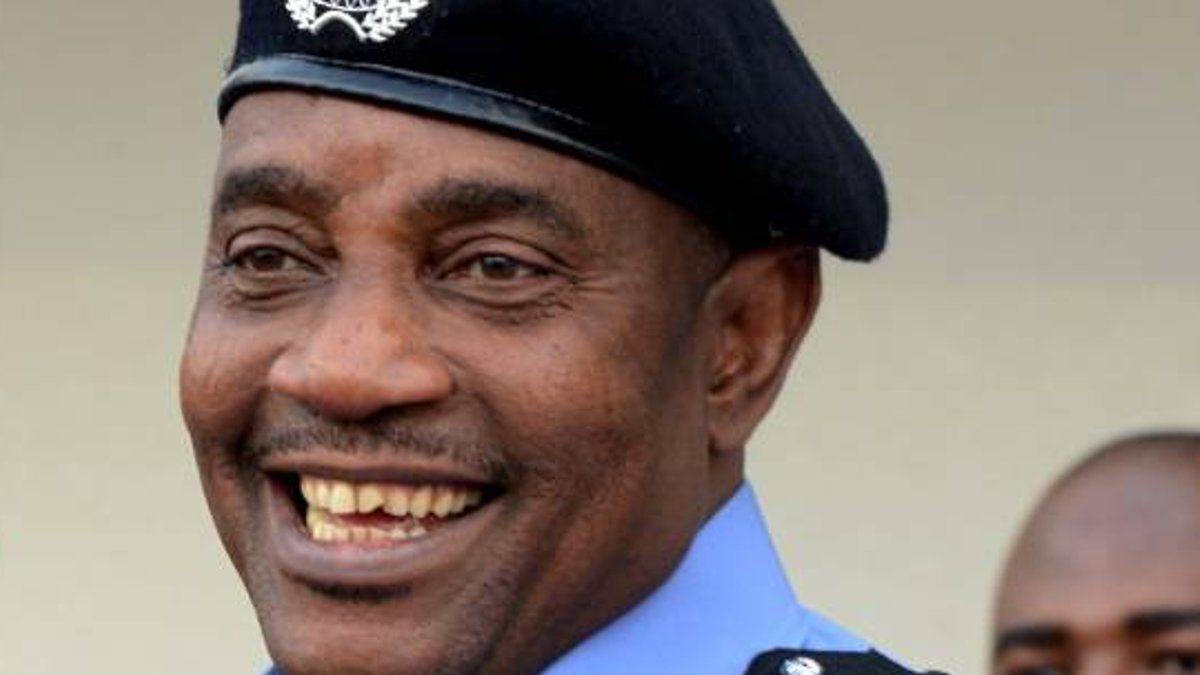
Nigeria’s 18th Inspector-General of Police, Solomon Ehigiator Arase, died on Sunday at Cedarcrest Hospital in Abuja at age 69.
The former police chief, who led the Nigeria Police Force from April 2015 to June 2016, passed away at approximately 9:00 a.m. after a brief illness. A family statement confirmed the death, with his son, Solomon Arase Jr., announcing it publicly. The news spread quickly across social media and official circles.
“The Arase family of Benin City, Edo State, hereby announces the passing of Solomon Ehigiator Arase, PhD, CFR, NPM, FDC, former Inspector General of Police,” the statement read. “He passed away at about 9 a.m. on Sunday, 31st August 2025.”
Related: Nigeria Taxes Virtual Asset Gains
Reactions pour in from security forces and public
Current Inspector-General of Police Kayode Egbetokun visited the family in Abuja to offer condolences. He called Arase’s death a “deep pain” for the force. In an official statement, the Nigeria Police Force described the late officer as a leader who set high professional standards.
Tributes flooded social media within hours. Legal practitioner Abdul Mahmud recalled a tense first meeting with Arase in 1990. Others praised him as one of the country’s most effective police chiefs. One user wrote that even when political pressure undermined reform efforts, Arase remained among the best.
Born on June 21, 1956, in Owan West Local Government Area of Edo State, Arase rose from modest beginnings. He earned degrees in Political Science from Ahmadu Bello University, law from the University of Benin and University of Lagos, and a doctorate in Public Law from Ambrose Alli University.
Reforms reshaped Nigerian policing
During his 15-month tenure, Arase introduced changes that altered public interactions with police. His creation of the Intelligence Response Team led to high-profile arrests, including that of notorious kidnapper Chukwudumeme Onwuamadike, known as “Evans.”
Related: Afreximbank lends $15m to Ecobank Zimbabwe SMEs
The Complaint Response Unit, another initiative, let citizens report misconduct directly. It marked a rare step toward transparency in a system often criticized for secrecy. His 2016 directive banning police officers from searching citizens
Arase believed in intelligence-led policing over force. His work with the United Nations peacekeeping mission in Namibia influenced his approach, though political pressures often limited his reforms.
Funeral arrangements remain unannounced.


