


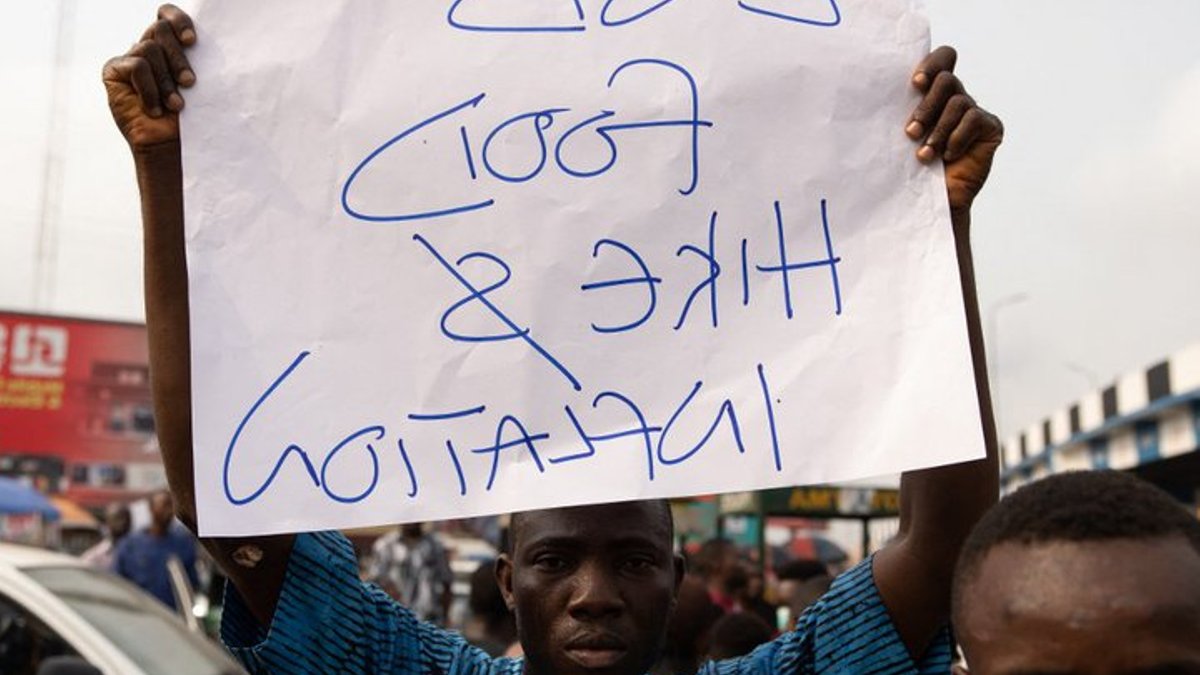
Nigeria’s 2025 budget allocates more than half of its ₦54.99 trillion plan to debt servicing and salaries, a reality that forces families across Lagos, Abuja and other cities to rethink everyday finances.
Debt and Payroll Consume Over 50 Percent of the Budget
The fiscal plan earmarks ₦14.32 trillion for debt obligations and ₦13.64 trillion for salaries and operational costs. Together these line items represent 54 percent of the total budget, leaving limited room for infrastructure, health or education spending.
Housing costs have surged in tandem with the fiscal squeeze. In Lagos, rent has risen from ₦500,000 to ₦1.2 million for a typical unit, while Abuja parents report being able to afford only carbohydrate‑based meals for their children.
Urban Families Feel the Pinch
In Lagos, home to more than 20 million residents, rent increases of up to 120 percent have pushed households to extreme measures. One resident, Benson Ehime, saw his rent climb from ₦900,000 to ₦1.5 million, prompting the sale of his family car to keep a roof overhead.
Port Harcourt tenants now face annual rents of ₦2–3.5 million for two‑bedroom apartments, while a four‑bedroom duplex in Abuja commands around ₦15 million. These figures illustrate how many families are stretching incomes that have not kept pace with soaring expenses.
Related: Nigeria Brazil central banks forge financial partnership
Social media reflects the strain. Users on Twitter/X post images of empty plates captioned “Dinner is served,” and TikTok creators share hacks for stretching ₦500 into a family meal. The hashtag #BudgetingInNigeria has turned into a grassroots guide, with thousands posting bulk‑buy tips and ideas for generating extra income.
Community‑based solutions have emerged. Savings groups in Lagos suburbs now operate like informal cooperatives, pooling funds to achieve bulk‑purchase discounts of up to 30 percent. WhatsApp chats labeled “budget accountability” serve as daily check‑ins where members log expenses and celebrate staying under weekly food budgets.
Urban farming has taken off, with rooftop gardens and balcony patches providing fresh produce that bypasses expensive market channels. Residents share costs for seeds and tools, creating micro‑economies that improve food security.
These adaptations illustrate a broader truth: when official budgeting falters, citizens create their own financial infrastructure.
The rise of financial‑literacy content on Instagram, TikTok and YouTube reflects this shift. Influencers post detailed budget breakdowns, investment ideas and survival tips tailored to local inflation pressures. One creator’s video on protecting savings during currency devaluation has amassed millions of views, highlighting the appetite for practical guidance.
Related: Nasan Energies Expands African Leadership with Namibia Deal
Facebook groups such as “Lagos Budget Living” and “Abuja Survival Tips” host hundreds of thousands of members exchanging market price updates, group‑buy opportunities and moral support. The collective knowledge shared in these forums has turned what was once an isolating struggle into a shared problem‑solving endeavor.
While the International Monetary Fund has warned that Nigeria must revise its budget to avoid deepening crisis, the grassroots response already reflects structural adjustments that could inform policy. Communities are leveraging digital tools to coordinate savings, manage risk and build resilience, a pattern that suggests a potential pathway for broader economic reform.
Nevertheless, the human cost remains stark. Families continue to sell assets, endure crowded living conditions and rely on improvised meals.
Adaptation fuels hope.


