


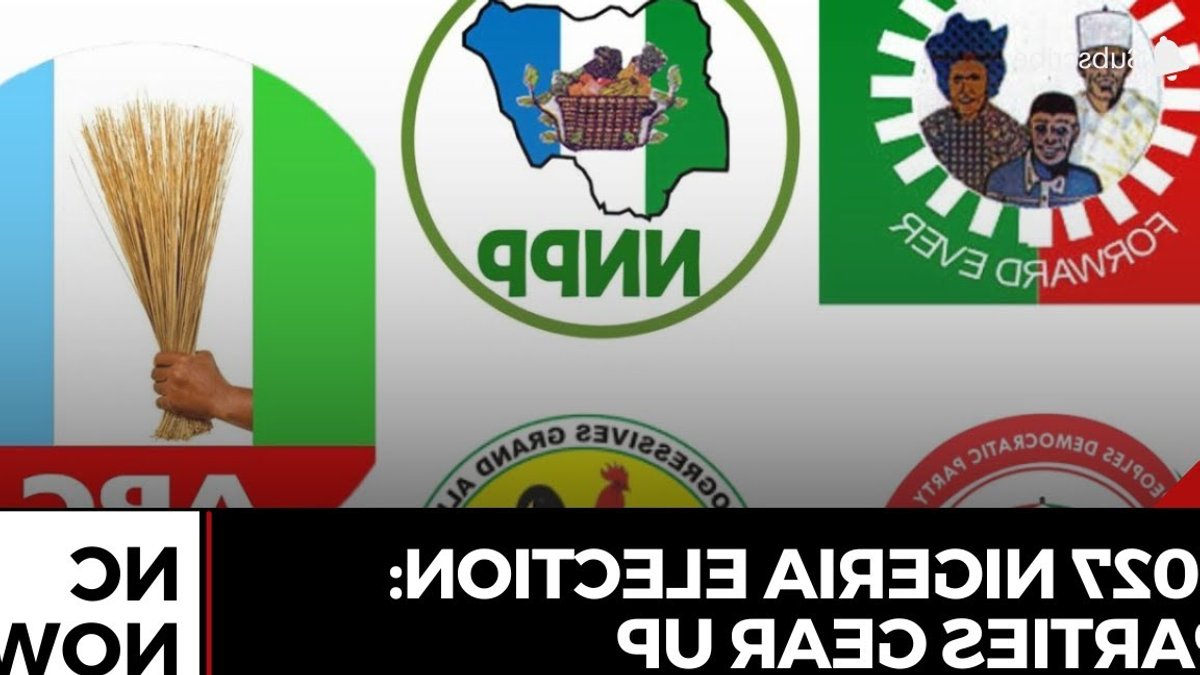
The Nigeria 2027 elections campaign has unofficially begun in Lagos, Abuja, and Port Harcourt despite polls being more than 18 months away. Electoral officials are unhappy, but politicians continue throwing caution to the wind. From towering billboards endorsing President Bola Tinubu’s second term in the Federal Capital Territory to subtle coalition rallies in Kano and Akure, Nigerian politicians have thrown caution to the wind and are openly violating the Electoral Act 2022.
Institutional Limits on the Campaign Trail
INEC’s warning came painfully late in August 2025, after months of blatant campaigning turned cities into battlegrounds. The electoral commission’s Chief Press Secretary, Rotimi Oyekanmi, cited Sections 94 and 95 of the Electoral Act, which state campaigns can only begin 150 days before voting—not 750+ days as is currently happening. The damage is done: billboards carrying party logos and “2027 is the goal” slogans have flooded Abuja and neighboring Nasarawa State. Political heavyweights from the APC, PDP, Labour Party, and the newly adopted African Democratic Congress platform are openly discussing strategies.
Related: Nigerians on low income build emergency funds
But here’s where it gets interesting—and concerning. The early campaigning isn’t just about political ambition; it’s revealing fundamental cracks in Nigeria’s governance structure and democratic institutions. Opposition coalition leaders like Atiku Abubakar, Peter Obi, and David Mark launched the ADC platform in July 2025, essentially kickstarting the Nigeria 2027 elections race while President Tinubu’s administration continues struggling with economic reforms that have left millions of Nigerians worse off than they were in 2023. The social media ecosystem has become the primary theater of operations for this premature campaigning. From TikTok videos analyzing early candidate strategies to Instagram posts showcasing coalition building efforts, Nigerian digital spaces are buzzing with content that would be illegal if properly enforced.
The real story of Nigeria’s early campaigning isn’t happening in party headquarters—it’s unfolding across social media platforms where millions of Nigerians are already choosing sides, spreading propaganda, and in some disturbing cases, deploying ethnic hate speech that experts warn could destabilize the entire electoral process. According to research by TheCable, Nigeria had over 40 million active social media users in 2024, and this number is expected to climb significantly by 2027, making digital platforms the real battleground for political influence.
Related: Nasan Energies Expands African Leadership with Namibia Deal
What’s happening right now isn’t just early campaigning—it’s a full-scale rehearsal for digital warfare that could make or break the Nigeria 2027 elections before they officially begin. TikTok accounts are already dedicated to specific candidates, with usernames like @atikudai2027 building massive followings around Atiku Abubakar’s potential candidacy. YouTube channels are analyzing coalition strategies, while Instagram pages celebrate political realignments with the fervor typically reserved for actual campaign seasons. More concerning, analysis by Dubawa reveals coordinated disinformation campaigns already weaponizing ethnic divisions, with users posting threatening messages like “This is just a tip of the iceberg to what will happen in 2027, if you animals move mad again.”


